Living in Kirkwood, MO: What Daily Life Feels Like
February 12, 2026
February 12, 2026
You know a place fits when your mornings, errands, and evenings fall into an easy rhythm. In Kirkwood, that rhythm often starts with a quick coffee near the historic train station and ends with a sunset walk under big old trees. If you are picturing a small-city feel with a lively main street, parks around the corner, and plenty of ways to stay active, you are in the right spot. This guide walks you through what daily life looks like in Kirkwood so you can see if it matches your routine. Let’s dive in.
Kirkwood’s compact downtown is the heartbeat of daily life. You can stroll a few blocks and pass cafés, bakeries, local restaurants, and small shops that cover most weekday errands. The historic train station anchors the scene, adding a classic landmark to your morning walk.
Weekdays are practical and neighborly. Many residents swing by a favorite coffee spot, walk a dog, or pop into a boutique for a quick gift. Evenings bring a steady dinner crowd to casual restaurants, while others grab takeout and head to a nearby park. On weekends, the energy picks up. Farmers’ market days and community events draw people downtown to pick up produce, catch up with friends, and enjoy the street life.
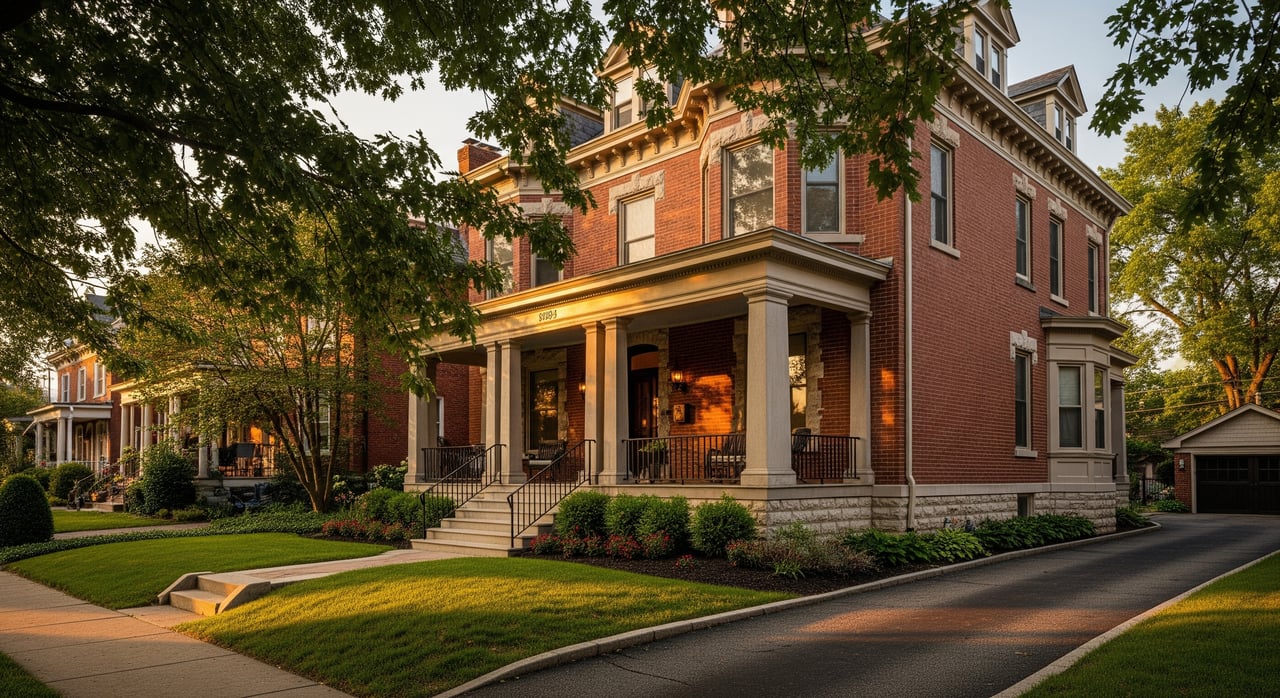
Residential areas surround the core, and most blocks have sidewalks, mature trees, and older homes with character. Streets are residential in scale, which keeps the pace comfortable for walkers and cyclists out for short trips. You see a mix of people heading to a playground, unloading groceries, or working on a front-porch project.
If you live closer to the center, your routine might be more walkable. A quick loop to grab a loaf of bread or meet a friend is common. Farther out, daily life shifts to short drives for errands, school pick-ups, and evening activities.
Kirkwood offers easy access to green space, which shapes after-school and after-work routines. Kirkwood Park is a central hub for team sports, playground time, and seasonal pool visits. You will find families and friends meeting up for practices during the week and casual picnics on weekends.
If you like quieter trails and a natural setting, Emmenegger Nature Park offers wooded paths and wildlife spotting. Smaller neighborhood parks are tucked into residential areas, so it is simple to fit in a 20-minute walk, a quick bike ride, or a lap with the dog.
Most daily needs are covered right downtown. You can get coffee, pick up fresh bread, drop off dry cleaning, and swing into a bank without moving your car. Specialty food shops and small grocers add variety for last-minute dinner ideas.
For larger shopping trips, you will likely drive a short distance to bigger retail centers. Healthcare, dental, and professional services are close by, either within Kirkwood or in nearby suburbs, which helps keep routine appointments simple.
Driving is the primary way most people get around on a daily basis. Downtown parking is usually manageable, though it can get busier during events. Major roads connect you to the rest of the St. Louis metro for work and weekend plans.
Kirkwood’s historic train station serves Amtrak on the corridor between St. Louis and Kansas City. Some residents use rail for regional trips or to reach downtown St. Louis, but most day-to-day commutes rely on a car. Regional bus services may also serve the area, depending on route and schedule.
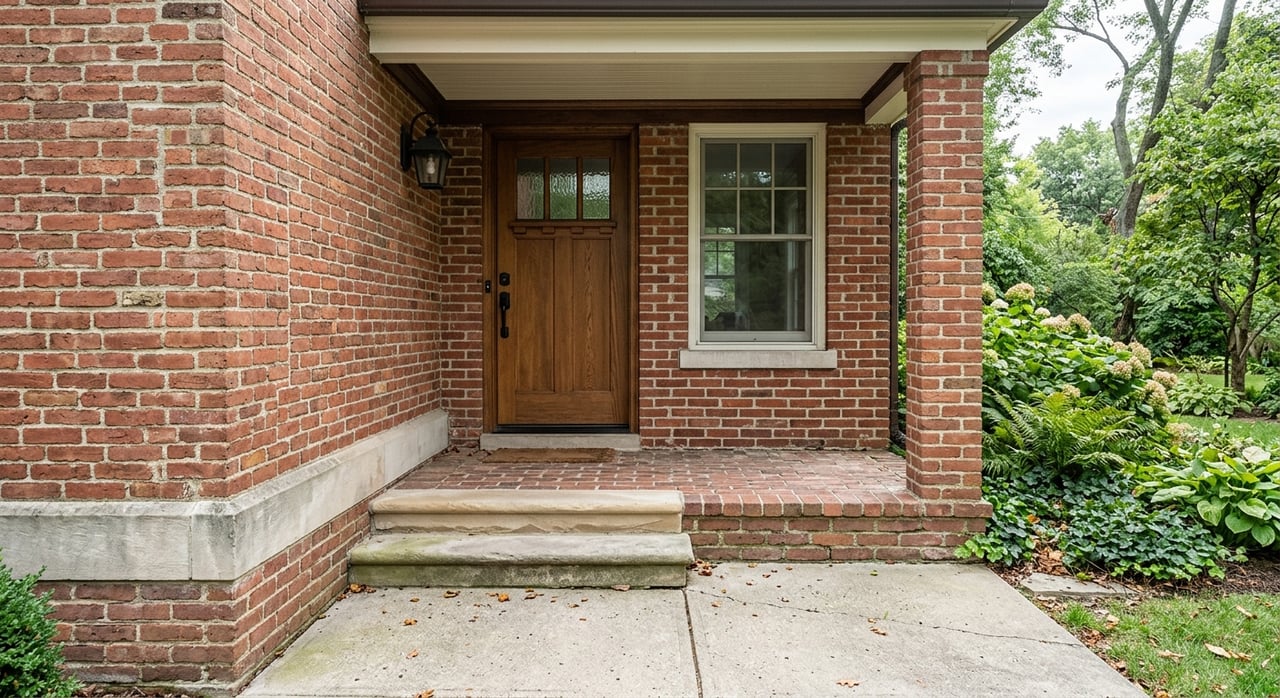
One of Kirkwood’s standout features is its housing character. You will find older homes from the late 19th and early 20th centuries, including Victorian, Craftsman and bungalow styles, brick colonials, and Tudor influences. Many have been updated while keeping original details. That blend of charm and function is part of the area’s draw.
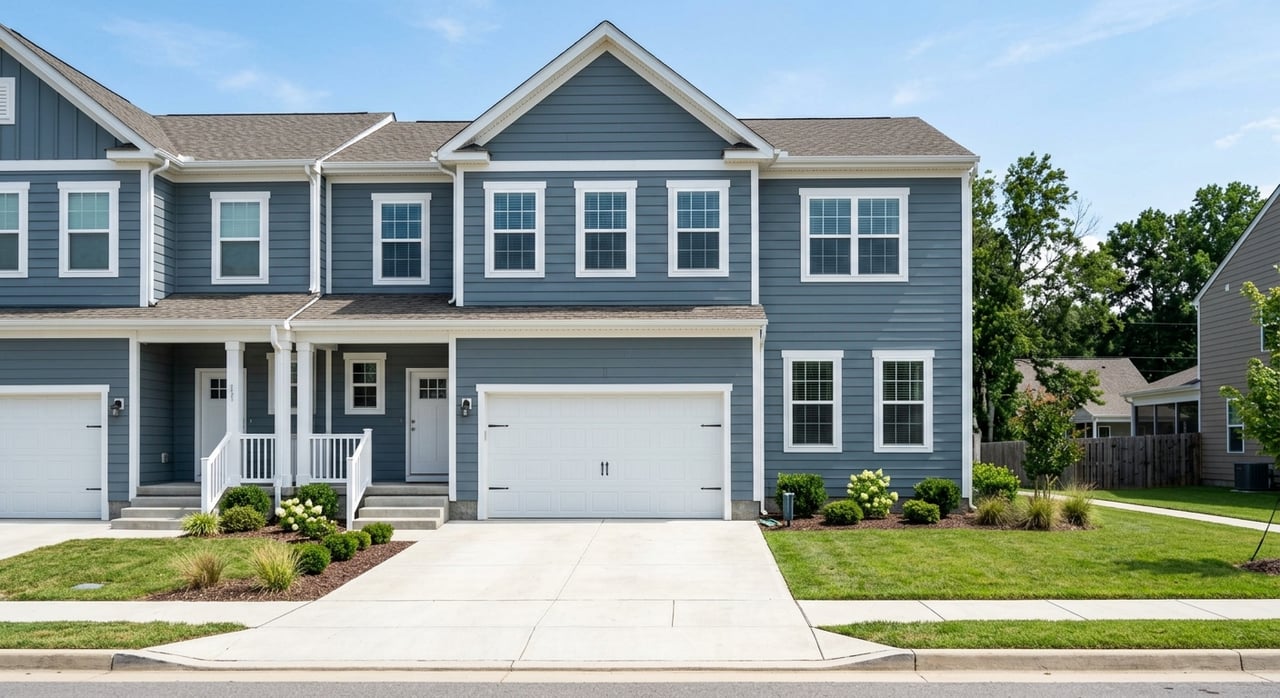
Closer to downtown and along major roads, you will also see townhomes, condos, and apartments. Recent infill brings newer construction options to the mix, especially near the core and transit nodes. Lot sizes tend to be modest to medium with established landscaping and mature trees.
Older homes shape daily routines in practical ways. Expect seasonal yard work, weekend projects, and a little extra attention to maintenance. In return, you get porch time, original woodwork, and a cozy neighborhood feel. If you live in an older block, plan for narrower driveways and a bit more strategy around guest parking.
Walkability is strongest in the downtown core and nearby streets. Many residents living close to the center can walk to coffee, dinner, small shops, and a few services as part of their normal week. As you move into outlying residential pockets, the area becomes more car dependent for errands.
Biking is common for recreation and short trips, especially to parks and within quieter neighborhoods. Infrastructure varies by street, so most riders choose familiar routes for comfort.
Kirkwood’s farmers’ markets are a weekend staple. Regular seasonal markets bring fresh produce, prepared foods, and a friendly neighbor-to-neighbor buzz. It is common to see strollers, dogs on leashes, and people catching up as they shop.
Annual and seasonal events add to the calendar. Parades, holiday gatherings, summer concerts, and arts or street fairs help set the shared rhythm of the year. These events often center downtown, which boosts pedestrian activity and supports local businesses. If you enjoy being part of a community scene, these gatherings make it easy.
Families often build weekly schedules around parks and recreation programs, youth sports, and classes at community facilities. Short drives to daycares, lessons, and fields keep afternoons moving but manageable. Primary care, dental visits, and routine appointments typically happen within the city or in adjacent suburbs, which helps you fit errands between other commitments.
For groceries and household items, many residents mix small, frequent downtown stops with occasional bigger runs at nearby shopping centers. That combination keeps day-to-day life flexible and efficient.
If you want a place where you can know your barista, walk under tall trees, and spend weekends at the park or market, Kirkwood fits that picture. Daily life is practical and grounded in the neighborhood. You get a walkable core for coffee, dining, and errands, along with quick access to green space and regional connections when you need them.
When you are ready to explore homes, think about how you like to live. Do you want to walk to dinner and the train station, or prefer a quieter street with a bigger yard and a short drive to everything? In Kirkwood, you can find both styles within a few minutes of each other.
If Kirkwood’s day-to-day rhythm sounds right, let’s match it to a home that fits your routine. For attentive, local guidance and a low-stress process, connect with Lexi Engelbach. Schedule a Consultation.
Real estate should feel exciting—not overwhelming. With over a decade of experience in St. Louis, I help clients buy and sell with clarity, confidence, and zero pressure. From first-timers to seasoned movers, I bring calm guidance, sharp insight, and a little humor to every step.