Leave a Message

By providing your contact information to Lexi Engelbach, your personal information will be processed in accordance with Lexi Engelbach's Privacy Policy. By checking the box(es) below, you consent to receive communications regarding your real estate inquiries and related marketing and promotional updates in the manner selected by you. For SMS text messages, message frequency varies. Message and data rates may apply. You may opt out of receiving further communications from Lexi Engelbach at any time. To opt out of receiving SMS text messages, reply STOP to unsubscribe.

Thank you for your message. We will be in touch with you shortly.

Relocating To St. Peters, MO: Housing Overview And Move Timeline

February 26, 2026

Thinking about a move to St. Peters and want a clear picture of the housing market and how to time your relocation? You’re not alone. Many buyers choose St. Peters for its suburban comfort, strong amenities, and easy access to the St. Louis metro. In this guide, you’ll learn what homes cost, how neighborhoods differ, commute expectations, and a practical month-by-month move timeline you can follow. Let’s dive in.

Housing at a glance in St. Peters

St. Peters is a mid-sized St. Louis suburb with an estimated 61,398 residents, according to the latest U.S. Census QuickFacts. That gives you a community large enough for daily conveniences yet easy to navigate. You’ll find a high share of owner-occupied homes and a broad base of single-family neighborhoods, plus some townhome and condo options. Census QuickFacts lists the city’s population and an owner-occupied median value snapshot.

When you look at pricing, different data sources use different methods. The Census American Community Survey shows a multi-year median value for owner-occupied homes near $269,900. Consumer portals and market snapshots often show higher, more current figures that commonly range around the low-to-mid $300s, depending on the month and method. Treat these as guideposts and confirm neighborhood-level pricing with a local MLS-connected agent before you write an offer.

Inventory in late 2025 and early 2026 has often been described as low to moderate, and many listings go pending within a few weeks. Exact days on market can swing by month and by neighborhood. If you are relocating on a set schedule, plan for faster decision cycles when a good match hits your criteria.

Common home types

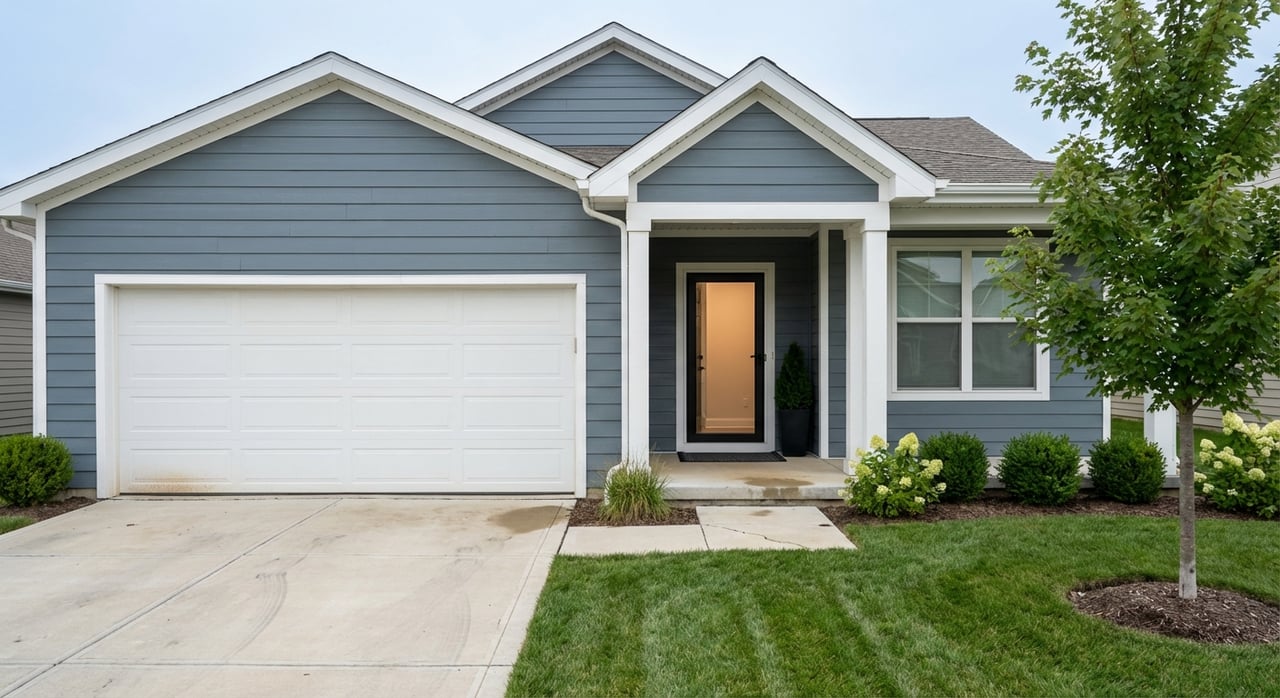
  • Predominantly single-family detached homes in established subdivisions.
  • A mix of split-levels, ranches, and two-story plans, many built from the 1970s onward.
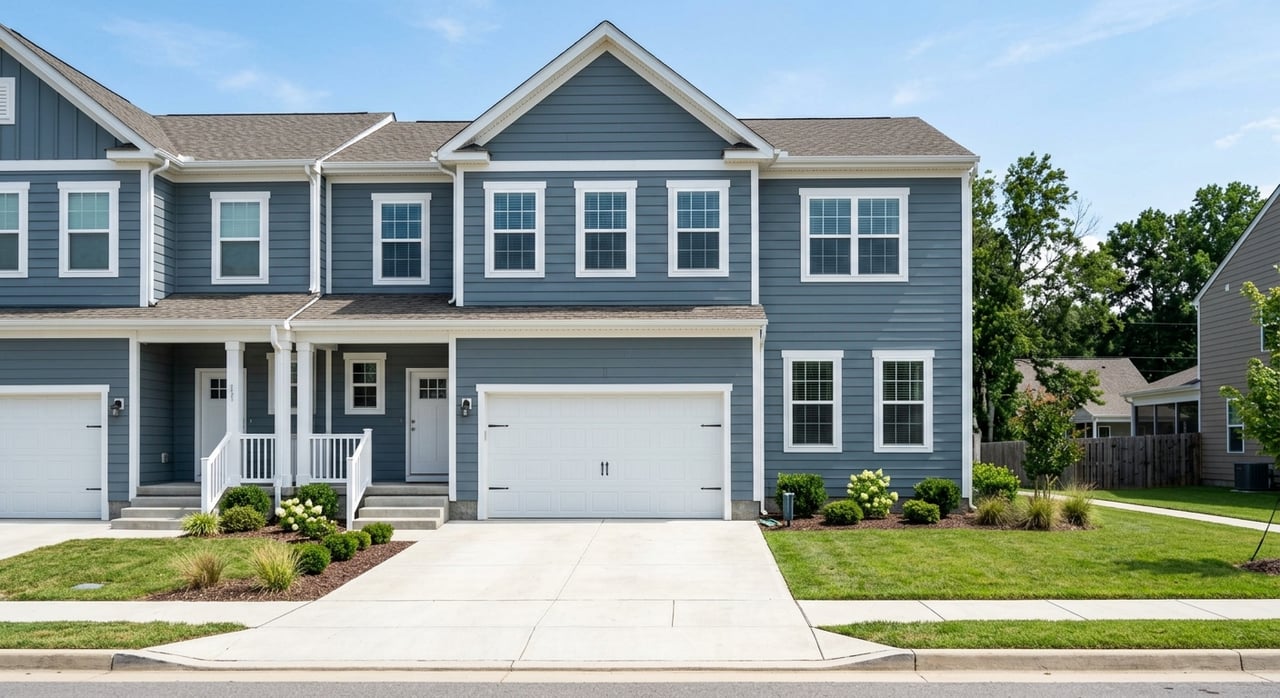
  • Townhomes and condos appear in several pockets if you prefer lower maintenance.

Price bands to expect

  • Entry options: smaller single-family ranches, some 1–2 bedroom units, and select condos near the lower quartile of the market.
  • Mid-market: 3-bed, 2-bath homes in classic suburban subdivisions that tend to cluster around the city’s typical price points.
  • Upscale/newer: larger lots, 4+ bedroom homes, newer subdivisions, and occasional custom builds that can exceed the higher medians shown on consumer sites.

Commute and location basics

St. Peters functions as a moderate-commute suburb. The mean travel time to work is about 22.7 minutes, based on the ACS 5-year estimate. You can reach key job centers across the west St. Louis suburbs without crossing the entire metro, and you have multiple highway options. See commute context on Census Reporter.

Regional access is straightforward. You are roughly 15–18 miles from Lambert–St. Louis International Airport, typically 20–30 minutes depending on traffic and route. Downtown St. Louis is about 30–35 miles away, often 30–40+ minutes depending on conditions. For your exact routine, check drive times during your preferred commute hours. TravelMath outlines the drive distance to STL.

Most residents rely on cars for day-to-day errands. Public transit is limited in many parts of the city, so plan your household vehicle needs accordingly.

Neighborhood orientation

You will see familiar subdivision names in listings, which helps you map location, age, and home styles. Examples include Spencer Creek villages, Highland Trails and Windsor Place, Rose Hill and Fawn Lake, Hi Point Acres and areas near Cave Springs, plus neighborhoods around Mid Rivers Mall. Use these as starting points, then refine by commute, lot size, home age, and renovation level.

School district lines determine public school assignments by address. Parts of St. Peters are served by Fort Zumwalt R-II, Francis Howell R-III, and St. Charles City R-VI. Always confirm zoning by street address with the district before you finalize a purchase. You can start with Fort Zumwalt’s district site and request boundary confirmation.

Everyday amenities that matter

St. Peters is known for its parks and recreation footprint. The city’s Rec-Plex is a major indoor complex with aquatics, ice, and fitness, and the parks system spans dozens of parks and over a thousand acres, including 370 Lakeside Park. If you enjoy staying active close to home, this is a standout feature. Explore the City of St. Peters Rec-Plex and parks overview.

Shopping and dining cluster around Mid Rivers Mall and its surrounding retail corridors, while the Olde Towne/Main Street area offers local businesses and events. You will also find extensive everyday services nearby, from groceries to specialty shops.

For healthcare access, Barnes-Jewish St. Peters Hospital and the affiliated Siteman Cancer Center provide significant local services, which many buyers value for peace of mind. Learn more about Barnes-Jewish St. Peters Hospital.

Remote buyer toolkit

Relocating from out of town does not have to be stressful. With the right setup, you can evaluate homes thoroughly and close with confidence.

Virtual showings that work

  • Review all listing media first: high-resolution photos, 3D tours, and floor plans.
  • Schedule live video tours via FaceTime or Zoom to assess flow, finishes, and condition.
  • Ask for a recorded walkthrough focusing on ceilings, attic access, utility rooms, mechanical labels, and the roofline.
  • Request disclosures and property history early. The National Association of Realtors outlines best practices for safe, efficient showings. See NAR’s showing guidance.

Inspections from afar

  • Hire a licensed local home inspector who will be physically on site. Attend the inspection virtually so you can see issues in real time and ask questions.
  • Add specialized tests when appropriate, such as sewer scopes, radon, termite, or lead-based paint inspections.
  • Inspector communities stress the limits of “virtual-only” evaluations. Your inspector should be present at the home. For background, see this InterNACHI discussion on virtual inspections.

Closing and notarization logistics

Missouri authorizes Remote Online Notarization, and many title companies and lenders now support hybrid or fully remote options. That said, acceptance is set by your lender, title company, and the county recorder, so confirm early in the process. Read more about RON in Missouri from National Notary.

St. Charles County accepts e-recording, which can streamline deed recording for remote signers when your title company participates. Verify your specific documents and title company process. See the St. Charles County recorder page on e-recording.

Common closing setups for out-of-area buyers include:

  • Fully remote signing with RON, if your lender and title company approve it and e-recording is available.
  • Mobile notary signing at your location if RON is not accepted.
  • Hybrid closing with e-sign for most forms and a short wet-ink appointment for note or mortgage documents.

Coordination checklist

  • Hire a local buyer’s agent experienced with relocations and remote workflows.
  • Get pre-approved with a lender comfortable with RON or hybrid closings.
  • Ask for a floor plan, 3D tour, and a recorded walkthrough that focuses on systems.
  • Join the home inspection live by video and request a same-day recap with photos.
  • Confirm title company policies on e-signing, RON, mobile notaries, and county e-recording.

Your 4–6 month move timeline

Use this sample timeline as a starting point and adjust for your job start date and lender requirements.

4–6 months out

  • Research neighborhoods and commute routes. Note drive times to your workplace during peak hours.
  • Interview local agents and select your relocation partner.
  • Get pre-approved and set a budget range that accounts for closing costs and potential repairs.

2–4 months out

  • Begin active search with virtual showings and targeted in-person visits if feasible.
  • Shortlist homes and write offers when a strong match appears. Move quickly on new listings.
  • Line up a local inspector and outline your add-on tests in advance.

1–2 months out (after contract)

  • Complete inspections and negotiate any repairs or credits.
  • Finalize your loan application and submit documents promptly.
  • Arrange movers, explore utility transfers, and plan school enrollment documents if applicable. If you cannot attend the inspection in person, plan to be on video for the full appointment.

2–4 weeks before closing

  • Schedule a final walkthrough, ideally in person or via high-quality live video.
  • Confirm closing format with title and lender: RON, mobile notary, or hybrid.
  • Book movers, verify homeowners insurance, and confirm utility start dates.

Closing week

  • Verify wire instructions by calling the title company directly before sending funds.
  • Confirm key handoff, garage codes, and any post-closing access.
  • Save your signed closing package and warranty documents in a shared folder.

Practical buyer tips

  • Be flexible on closing dates if you want to strengthen your offer. Many sellers value certainty as much as price.
  • Budget a reserve for immediate needs such as paint, minor fixes, or window treatments.
  • If you work hybrid, test your commute on different routes to find the most reliable option.
  • For the most accurate, up-to-the-minute pricing and inventory, connect with a local agent who can run neighborhood-level MLS data and preview homes on your behalf.

Ready to explore St. Peters?

If St. Peters checks your boxes for location, amenities, and value, the next step is a focused search plan and clear move timeline. You do not have to do this alone. With organized virtual tools, in-person support when you need it, and strong local negotiation, you can relocate with confidence and minimal stress.

Have questions or want tailored neighborhood and pricing insights? Schedule a Consultation with Lexi Engelbach for a game plan that fits your goals and timeline.
FAQs

What are typical home prices in St. Peters, MO?

  • Census ACS shows a multi-year median owner-occupied value near $269,900, while recent consumer market snapshots often fall in the low-to-mid $300s; verify current neighborhood pricing with local MLS data and your agent. Source: Census QuickFacts

How long are commutes from St. Peters to St. Louis areas?

  • The mean commute is about 22.7 minutes citywide, with roughly 20–30 minutes to STL Airport and 30–40+ minutes to downtown depending on traffic. Commute data and drive distance to STL

Can I close on a St. Peters home remotely?

Which school districts serve St. Peters addresses?

  • Parts of the city are served by Fort Zumwalt R-II, Francis Howell R-III, and St. Charles City R-VI; confirm zoning by street address with the district. Start with Fort Zumwalt.

How can I evaluate homes if I am out of state?

  • Use high-res media, live video tours, recorded walkthroughs of systems, and attend the on-site inspection virtually; follow best practices for safe, effective showings. NAR showing guidance

WORK WITH LEXI

Real estate should feel exciting—not overwhelming. With over a decade of experience in St. Louis, I help clients buy and sell with clarity, confidence, and zero pressure. From first-timers to seasoned movers, I bring calm guidance, sharp insight, and a little humor to every step.