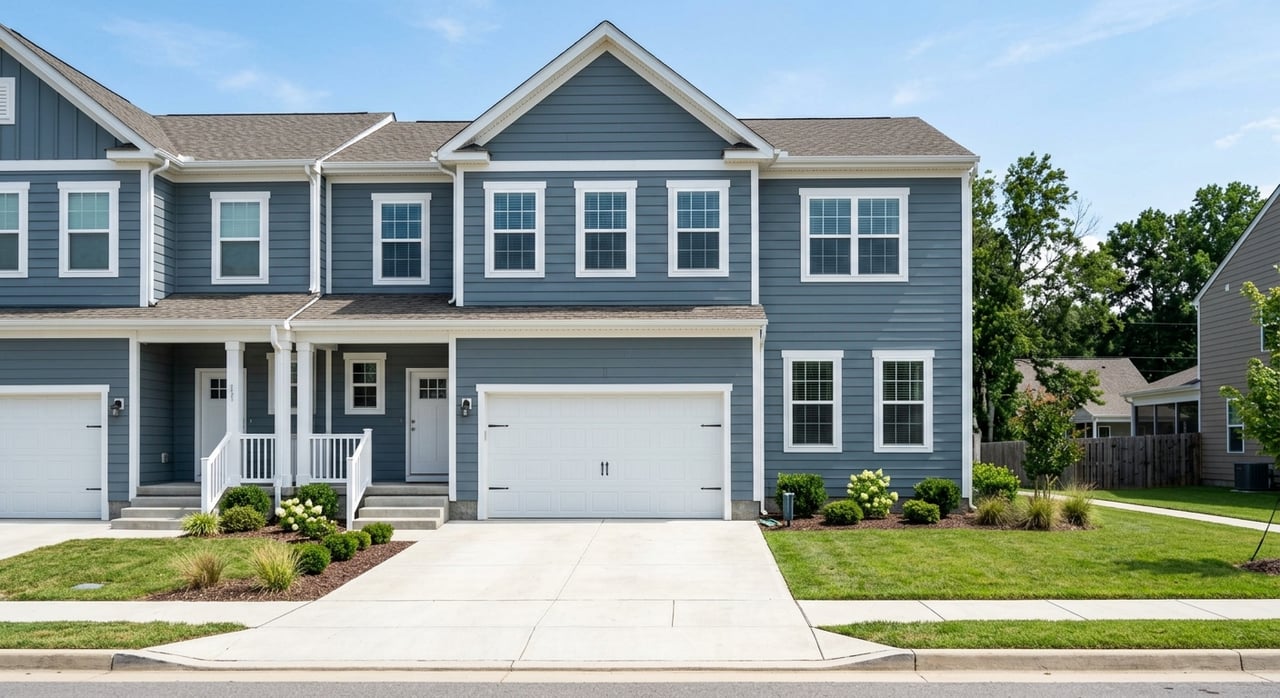
Beginner’s Guide To Small Investment Properties In Troy, MO
April 9, 2026
April 9, 2026
Thinking about buying your first investment property in Troy, MO? You are not alone. For many beginners, the challenge is not just finding a property. It is figuring out whether the numbers, local demand, and rules actually make sense. This guide will help you understand what makes Troy worth a closer look, what types of small investment properties may fit a first-time investor, and what due diligence matters most before you buy. Let’s dive in.
Troy offers something many first-time investors want: a smaller-city market with growth, a meaningful renter base, and price points that may feel more approachable than larger metro areas. According to the U.S. Census QuickFacts for Troy, the city’s July 2024 population estimate was 14,963, up 18.0% from the April 2020 estimate base.
That growth matters because population gains can support housing demand over time. Troy is also not purely owner-occupied. Census QuickFacts show an owner-occupied housing rate of 69.9% in Troy, which implies about 30.1% renter-occupied housing in the city.
For a beginner, that means Troy is not just a place where people buy homes. It is also a place with an active rental segment. You still need to evaluate each property carefully, but the city gives you a reason to look beyond the headline that it is mostly owner-occupied.
A good investment market usually has more than one demand driver. In Troy, local planning documents point to a need for a wider range of housing options. The city’s draft 2026 comprehensive plan identifies affordable multifamily housing as a weakness and says housing diversity is important to a robust community.
That same plan also notes that additional housing options may help serve employees as industrial growth continues north and west of the St. Louis metro area. This does not guarantee rental performance, but it does suggest local leaders see a need for more varied housing types.
Employment is another piece of the puzzle. Lincoln County Economic Development lists several large employers in or near Troy, including Toyota Motor Manufacturing Missouri, Lincoln County R-III School District, Daddy Ray’s, Walmart Super Center, Mercy Hospital Lincoln, and Witte Bros Exchange in its 2024 business and industry listing. County business data in that same source also show 1,010 employer establishments and 10,229 jobs in 2023, with employment up 3.9% year over year.
For you as an investor, the takeaway is simple: Troy appears to have both population growth and employment activity behind its housing market. That combination can be worth watching when you are choosing a first rental property.
If you are new to investing, it usually helps to keep your first purchase simple. Based on the city plan’s focus on housing diversity, the most practical beginner categories in Troy are likely single-family rentals, townhomes or villas, and small multifamily properties.
Single-family homes are often the easiest place to start because they are familiar. You may have a broader resale pool later, and the property itself may be easier to understand during inspections and maintenance planning.
That said, you need to be realistic about repairs and turnover costs. A house with deferred maintenance can erase your margin fast, especially if you are counting on light updates only.
Townhomes and villas can appeal to investors who want a lower-maintenance format than a detached house. In some cases, the layout and lot size may reduce exterior upkeep compared with a traditional single-family home.
You will want to review association rules, fees, and rental restrictions carefully. Monthly dues and use restrictions can have a direct impact on your cash flow and long-term flexibility.
For some beginners, a duplex or another small multifamily property may offer a better income spread than a single-unit rental. If one unit is vacant, the other may still bring in income.
But small multifamily investing also comes with more moving parts. You may face more maintenance coordination, tenant management, and zoning or building questions, so it is important not to treat it like a simple buy-and-rent decision.
One of the easiest mistakes new investors make is relying on one rent number and calling it a day. In Troy, you should be especially careful about that.
The Census QuickFacts page reports Troy’s median gross rent at $1,033 and the median value of owner-occupied housing units at $226,500. Meanwhile, the city’s draft comprehensive plan says 2024 median gross rent was about $1,300. The city plan also notes that different data sources and vintages are not directly comparable.
So what should you do with that? Use the source and year as context, not as a promise. If you are analyzing a property, compare its likely rent to current competing listings, condition, location, and monthly carrying costs rather than assuming one published median tells the whole story.
If you want a quick, rough benchmark, you can do a basic gross-income check. Using the Census median gross rent of $1,033, annual rent would be $12,396. Compared with Troy’s median owner-occupied value of $226,500, that works out to about a 5.5% gross yield before taxes, insurance, vacancy, repairs, management, or financing.
If you use the city plan’s $1,300 rent estimate instead, that rough gross yield moves closer to 6.9%. These are not underwriting numbers. They are just a quick way to sense-check whether a property’s asking price and likely rent seem in the same ballpark.
Here is the key point: gross yield is not cash flow. Your actual return depends on the full cost picture.
The purchase price is only part of the investment story. Ongoing expenses can change your results more than many first-time buyers expect.
One major line item is property tax. Lincoln County Economic Development states that residential real estate is assessed at 19% of market value, while the actual tax bill depends on the levies tied to the parcel on its business and industry page. That means two similarly priced properties may still carry different tax burdens.
Other common costs include:
For beginners, the smartest move is to build margin into your numbers. If a deal only works when everything goes perfectly, it may not be a strong first investment.
In Troy, buying an investment property is not just about the purchase contract. You also need to confirm that the property’s intended use fits local rules.
The city’s Planning and Zoning Commission page explains that the city regulates zoning and land use and reviews items like rezoning, conditional use permits, plats, site plans, and zoning confirmations. The city also provides public information for the Building Department, building permits, and utility setup.
That means your due diligence may include more than an inspection. Depending on the property, you may need to verify zoning, confirm whether any past or planned work needs permits, and understand utility or occupancy-related steps before you lease the property.
Missouri landlord-tenant rules matter from day one. The Missouri Attorney General’s landlord-tenant guide says a written lease should clearly cover the landlord’s contact information, the property address, monthly rent, due date, grace period, security deposit terms, lease length, utilities, repairs, pets, late fees, and yard or snow responsibilities.
The same guide says landlords may not charge more than two months’ rent as a security deposit. It also says the deposit generally must be returned within 30 days, along with an itemized list of deductions if any are taken.
Just as important, Missouri landlords may not evict without a court order. They also may not discriminate based on protected classes such as race, color, religion, sex, disability, familial status, or national origin.
For a beginner, this is a strong reminder that rental ownership is a business. Good records, a clear lease, and consistent procedures are not optional.
If you want your first investment property in Troy to feel manageable, focus on simplicity and risk control. You do not need the perfect deal. You need a property you can understand, operate, and hold with confidence.
A practical approach often looks like this:
That kind of preparation can help you avoid the most common first-time mistakes, especially overestimating rent and underestimating the time and cost involved.
When you are buying your first investment property, local guidance can save you time and reduce risk. A strong agent helps you compare options, flag red flags, estimate whether the numbers make sense, and coordinate the details that are easy to miss.
In a market like Troy, that may include helping you weigh different property types, checking on zoning or permit questions, and making sure you are thinking beyond the list price. The goal is not to make investing sound easy. The goal is to make your process more organized, informed, and low-stress.
If you are exploring small investment properties in Troy and want a practical, clear-eyed strategy, Lexi Engelbach can help you evaluate opportunities and move forward with confidence.


Real estate should feel exciting—not overwhelming. With over a decade of experience in St. Louis, I help clients buy and sell with clarity, confidence, and zero pressure. From first-timers to seasoned movers, I bring calm guidance, sharp insight, and a little humor to every step.