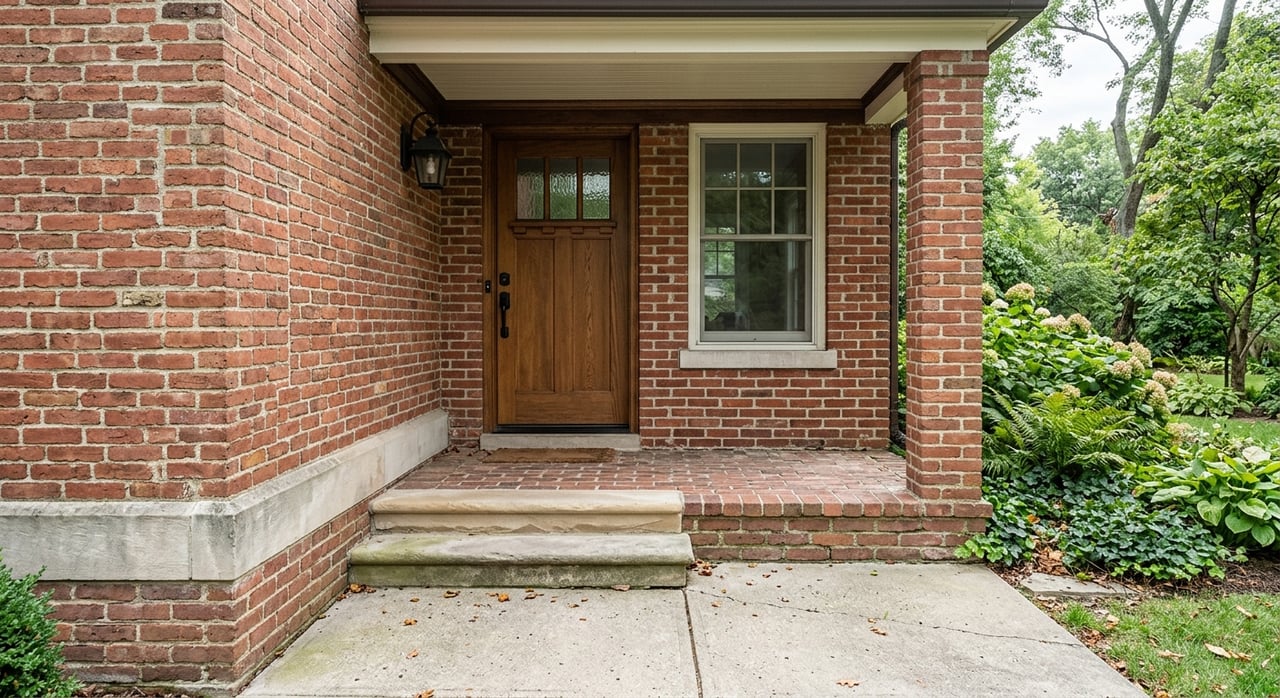
Buying An Older Home In Webster Groves: Key Considerations
March 26, 2026
March 26, 2026
Love the look of a front‑porch charmer or a brick Tudor on a tree‑lined street in Webster Groves? Older homes here offer rich character and craftsmanship, but they also come with unique due‑diligence steps. If you plan ahead for inspections, permits, and renovation costs, you can buy with confidence and protect your budget.
This guide walks you through what “older” means in Webster Groves, the reviews and permits to plan for, the inspections to order, and smart budgeting and negotiation tips. You will also learn about a local program that can ease big-ticket surprises. Let’s dive in.
Webster Groves is known for its historic fabric. The city recognizes individual landmarks and several local historic districts, and it maintains a Historic Preservation Commission that reviews certain exterior changes in designated areas. The city’s overview of the program explains how designation supports long-term stewardship and community character. You can explore the benefits of historic designation to understand the big picture.
Across the city you will find homes from the late 1800s through the early and mid‑1900s. Common styles include Colonial Revival, Tudor Revival, Queen Anne and other Victorian variants, Craftsman and Bungalow forms, American Foursquare, and early Prairie influences. In short, if you love original millwork, built-ins, and period details, you will see a lot to like.
On pricing, typical Webster Groves values often sit in the mid‑hundreds of thousands, though market conditions change quickly. Ask your agent for the latest local data before you write an offer so your numbers are current.
If you are eyeing a property inside a local historic district or an individually designated landmark, plan for an extra review step when you want to alter the exterior. Projects like additions, major exterior alterations, or demolition can require advance applications and a public meeting. The city’s guide to applying lays out timing, submittal materials, and meeting calendars. Review the city’s instructions for applying to the Historic Preservation Commission early in your planning.
Routine interior repairs usually do not trigger HPC review. Still, verify the property’s status and discuss your plans with the city before you finalize your renovation scope.
For additions or structural changes, you will need building permits. Webster Groves offers optional pre‑application meetings so you can confirm zoning, site limits, and submittal needs before you invest in drawings. These sessions are a smart way to spot hurdles before you close on the home. Learn about the city’s pre‑application meetings and build time into your schedule if the home is in a historic district.
Older homes often have clay or cast‑iron sanitary laterals that can crack or fail. Webster Groves operates a Residential Sanitary Sewer Lateral Repair Program that helps cover a portion of qualified repairs up to program caps. The city coordinates diagnostics and contributes to approved work if the lateral is defective.
As a buyer, request any recent sewer cabling or video from the seller. If none exists, order a sewer‑scope during your inspection window. Start here for program details and steps: the city’s Sewer Lateral Program.
Older Webster Groves homes can combine original systems with decades of updates. The right inspections convert unknowns into clear next steps.
Order these right away:
General home inspection. Choose an inspector experienced with century homes. In Missouri, home inspectors are not state‑licensed, so verify credentials, insurance, and sample reports. Trade resources like InterNACHI explain common older‑home issues and add‑on services. Review their overview of add‑ons in this inspection guide.
Sewer‑scope. Pair your scope with the city’s program above to plan repairs or negotiate credits. See the Sewer Lateral Program for how the city participates.
Radon test. The EPA recommends testing all homes, and the only way to know a home’s level is to test. Learn more from the EPA’s radon guidance.
Termite and wood‑destroying organism inspection. Missouri has subterranean termite risk. University guidance details how moisture and wood contact increase risk. See this University of Missouri resource on termites.
Electrical evaluation. Many older homes may have legacy panels or knob‑and‑tube wiring that are not ideal for modern loads. A licensed electrician can evaluate safety and capacity. For background on older wiring, read this overview of knob‑and‑tube considerations.
Lead‑based paint risk assessment or spot testing for pre‑1978 homes. If you plan to disturb painted surfaces, contractors must follow EPA’s Renovation, Repair and Painting rules. Start with the EPA’s lead safety page.
Asbestos sampling before demolition where materials are suspect. Common examples include some 9x9 vinyl floor tiles and mastics, pipe insulation, and certain textured ceilings. See an overview of asbestos in construction materials here.
Chimney and fireplace inspection. Original masonry chimneys may need relining, flashing repair, or repointing. A chimney specialist can video-scan the flue and provide a scope of work. See the inspection add‑ons list in the InterNACHI guide.
Older homes reward you with character, but they can demand more maintenance. Plan a healthy contingency in your renovation budget. Many homeowners use a 10 to 25 percent contingency for older houses so surprises do not derail the project.
For big-ticket work like roof or HVAC replacement, kitchen or bath remodels, plan with broad ranges and then refine with contractor bids. National estimator tools outline ballpark costs for common projects, which you can adapt to St. Louis pricing. Get a baseline from this home remodel cost estimator, then request 2 to 3 written, itemized bids for accuracy.
Energy upgrade incentives can lower the cost of HVAC, insulation, and electrification. Federal and state programs, including HOMES and HEEHRA, are rolling out on different timelines. Check current availability before you sign a contract. This summary of IRA home energy rebates is a helpful starting point, then confirm offers with your utility and state energy office.
A clear plan during your offer and inspection windows keeps stress low and options open.
Before you write:
During inspections:
Negotiation options:
Choose an older home if you value original details and a sense of place, and you are comfortable planning updates over time. Expect to invest in systems and maintenance, especially early in ownership if the prior owner deferred work. If you prefer a move‑in‑ready experience with minimal projects, focus your search on homes with recent, permitted updates and clean inspection reports.
If you want a low‑stress path to an older Webster Groves home, work with a local advisor who knows the process, the city’s review steps, and the right inspectors and contractors. For step‑by‑step guidance and a confident plan, connect with Lexi Engelbach.
Real estate should feel exciting—not overwhelming. With over a decade of experience in St. Louis, I help clients buy and sell with clarity, confidence, and zero pressure. From first-timers to seasoned movers, I bring calm guidance, sharp insight, and a little humor to every step.