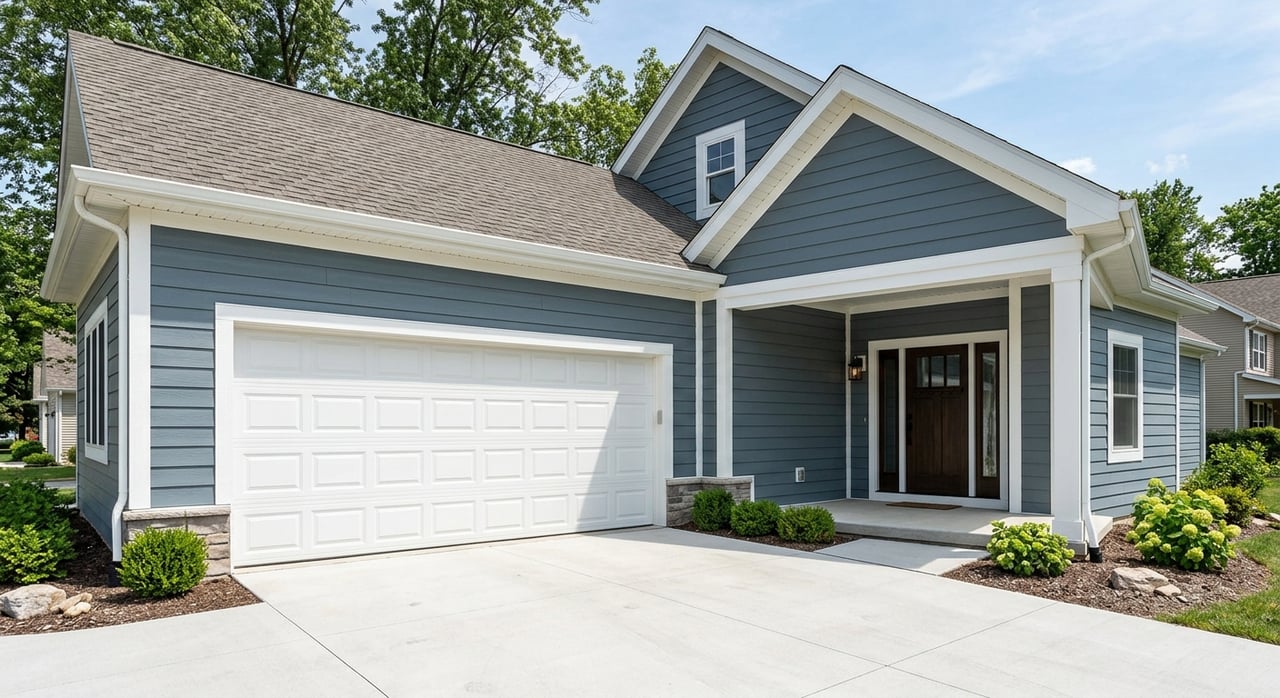
Questions to Ask About Festus MO New Construction Homes
April 23, 2026
April 23, 2026
Building a new home in Festus can feel exciting right up until the questions start stacking up. How much will it really cost? Who handles permits? What happens if the build is delayed? If you are thinking about new construction, asking the right questions early can help you avoid budget surprises and keep the process more organized. Here is what to ask before you build in Festus, MO, so you can move forward with more confidence.
Festus is a smaller, owner-occupied market, with an estimated population of 13,730, 5,091 households, and a 57.8% owner-occupied housing rate, according to the U.S. Census QuickFacts for Festus. The Census also reports a median owner-occupied home value of $223,600 and median household income of $73,532.
That local context matters because new construction is not just about picking a floor plan you like. In many cases, your monthly payment, upgrade choices, closing costs, and utility connection details will shape the overall experience just as much as the house itself.
The base price is only the starting point. Before you get attached to a model home or rendering, ask for a clear breakdown of what is included and what costs extra.
The National Association of Home Builders consumer guide recommends budgeting for more than the purchase price, including property taxes, homeowners insurance, possible HOA or condo fees, down payment, and closing costs. That is why one of the smartest questions you can ask is, “What will my total out-of-pocket cost likely be from contract to closing?”
This helps you compare options clearly instead of comparing a low advertised number to a much higher real-world total.
In Festus, permitting is not something to gloss over. The city states that many residential projects require a building permit, and new construction or major renovation typically requires sealed drawings from an architect or engineer. The city also notes that a land disturbance permit may be required when soil is disrupted, as outlined in the Festus residential building permit requirements.
Jefferson County also provides online permit, inspection, and contractor license tools through its Citizen Portal, and the Jefferson County Public Sewer District requires permits for sewer and water connections plus a final inspection before backfill. For you as a buyer, the practical question is simple: who is responsible for keeping all of that moving?
If the answer is vague, press for specifics. Permit and utility questions can affect both cost and timing.
A builder may give you a target completion date, but you should ask how that date is tracked and what could change it. In a new construction purchase, broad promises are less helpful than milestone-based answers.
Because permits, inspections, and final approvals all play a role in Festus, your timeline should include more than “about six months” or “by late fall.” Ask for a start date, key construction milestones, and a realistic completion window based on local approvals.
Festus notes that a certificate of occupancy for a house being sold is issued only after inspection and code requirements are met. That makes one more question especially important: Will closing happen only after the final certificate of occupancy is issued?
Customization is one of the biggest reasons buyers choose new construction, but flexibility often has limits. Some changes are easy during the early stage, while others may not be possible once permits are submitted or construction is underway.
NAHB advises buyers to identify must-haves, preferences, and available options before they begin the process. That is useful in Festus because your choices may affect pricing, permitting, and timing.
A simple must-have versus nice-to-have list can help you stay focused when upgrade decisions start coming quickly.
Financing for new construction can look different from financing for a resale home, especially if rate locks, builder incentives, or lender timelines come into play. It is smart to ask these questions before you sign, not after.
HUD describes homebuying as a process that starts with financial readiness and moves through closing in its guide to buying a new home. The Consumer Financial Protection Bureau also recommends requesting and comparing Loan Estimates from multiple lenders once you are looking at a specific home.
Comparing lenders can help you understand whether an incentive is truly saving you money or just shifting costs around.
A new home warranty can offer peace of mind, but only if you understand what it covers. Do not rely on a short verbal summary or a marketing sheet.
The FTC’s guidance on warranties for new homes explains that builder warranties are often limited and may have different coverage periods for workmanship and materials, systems, and structural defects. The FTC also notes that claims should be made in writing and that some warranties require mediation or arbitration.
This is one area where details matter. A warranty is only helpful if you know how it works before you need it.
Yes, even with a brand-new home, inspections still matter. New construction does not automatically mean defect-free construction.
The CFPB recommends scheduling an independent home inspection as soon as possible, attending if you can, and paying attention to any inspection contingency in the contract. That advice makes a big difference in a builder transaction because inspection timing can affect your options if concerns come up near closing.
Independent inspections can help you spot issues while they are easier to fix, instead of after move-in.
One of the most overlooked parts of a new construction purchase is agency. The person working in the builder’s sales office may be helpful, but that does not automatically mean they represent your interests.
Missouri’s brokerage relationship disclosure form explains several agency relationships, including buyer’s agent, transaction broker, and disclosed dual agent. It also states that a transaction broker does not represent either party and does not advocate for either side.
Clarity here can make the process less stressful. When you know who is responsible for what, it is easier to make informed decisions at each step.
If you are comparing builders or communities in Festus, it helps to keep your notes in one place. A simple checklist can save you from forgetting a key detail during a busy model-home tour.
Here is a quick list to bring with you:
Building a home in Festus can be a great path if you want newer features, personalization, and a home that fits your needs from day one. The key is to treat the process like a series of informed decisions, not just an exciting showroom visit.
When you ask better questions about price, timeline, permits, inspections, warranty coverage, and representation, you put yourself in a much stronger position. If you want a low-stress plan for buying new construction in Jefferson County, Lexi Engelbach can help you think through your options and next steps.

Real estate should feel exciting—not overwhelming. With over a decade of experience in St. Louis, I help clients buy and sell with clarity, confidence, and zero pressure. From first-timers to seasoned movers, I bring calm guidance, sharp insight, and a little humor to every step.