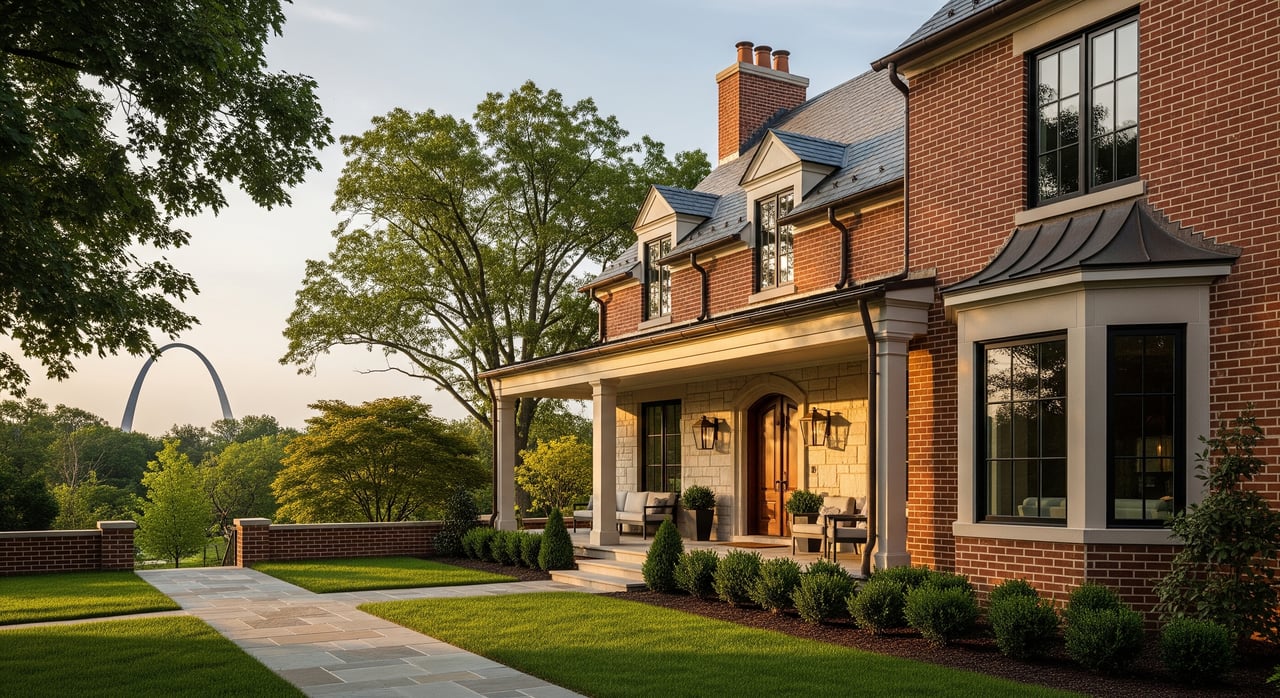
Moving From St. Louis City To The Suburbs: How To Weigh Your Options
February 5, 2026
February 5, 2026
Craving more space and a quieter street, but not sure if leaving St. Louis City is worth it? You’re not alone. Many buyers wrestle with trading walkability and culture for a yard, a garage, and different school options. This guide gives you a clear framework to compare costs, commutes, lifestyle shifts, and upkeep so you can move forward with confidence. Let’s dive in.
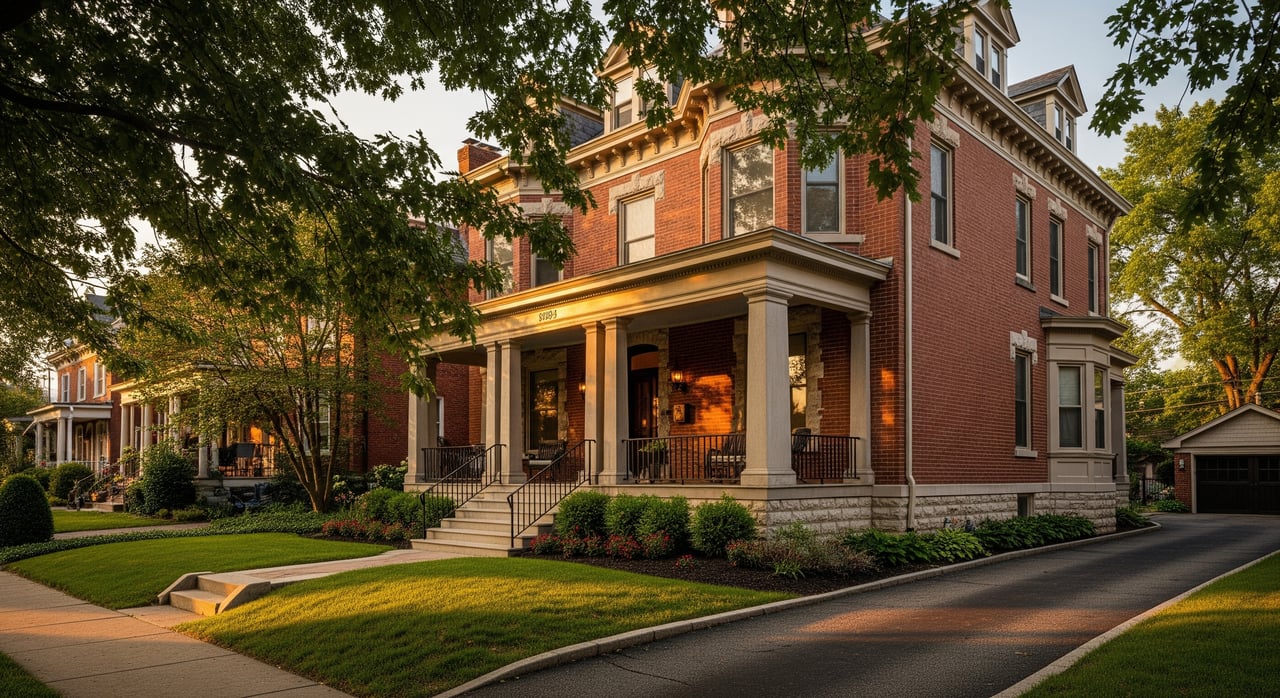
City living often means historic charm, shorter distances to restaurants and events, and stronger walkability in many neighborhoods. Suburban life typically offers larger lots, more privacy, and quieter streets. You’ll see more single-family homes with attached garages and finished basements in the suburbs, while the city has more brick rowhouses, condos, and early 20th‑century homes.
Home age matters for upkeep. Older city homes can need electrical updates, tuckpointing, roof work, or lead paint mitigation. Suburban homes, especially in outer areas, may be newer and more systems-efficient, but larger lots add yard care and sometimes HOA rules.
Many St. Louis suburbs have higher median sale prices than the city, though it varies by neighborhood and suburb. Inner‑ring areas like Kirkwood can be pricier than some parts of the city, while outer suburbs like Chesterfield often feature newer, higher‑end subdivisions. Treat price as a spectrum and compare specific neighborhoods rather than broad averages.
Property taxes differ by municipality and school district. Even with similar assessed values, district levies can change your bill. Also review local sales or earnings taxes where relevant. Check both the rate and how assessments work so you understand the full picture.
Trash, recycling, water, sewer, and snow removal can be handled differently from one city or suburb to another. In some suburbs, HOAs are common and may add fees, while condo associations in the city play a similar role for multifamily buildings. In outer areas, confirm whether a property uses municipal water and sewer or private well and septic.
As a general guide, set aside about 1 to 3 percent of a home’s value each year for maintenance and repairs. Older city homes may trend toward the higher end because of age-related systems. Your actual number will depend on the property’s condition, age, and lot size.
Factor in fuel, tolls if applicable, transit passes, and parking for your specific route. If you drive more in the suburbs, your vehicle wear and gas use can rise. Add that to your monthly comparison so you are comparing apples to apples.
The St. Louis region’s typical commute tends to land in the mid‑20‑minute range on average, but your route matters. Suburban commutes often rely on driving, especially along I‑64/US‑40, I‑44, I‑270, and I‑55/I‑255 during peak times. Inner‑ring suburbs can offer more transit options, while outer areas are more car‑oriented.
Metro Transit operates MetroLink light rail and bus service. Park‑and‑ride lots and commuter buses help some suburban routes, but not every suburb has direct coverage. Do a door‑to‑door test during rush hour and compare peak versus off‑peak travel times.
Many buyers choose the suburbs to access specific public school districts and extracurricular programs. District performance and offerings vary widely across St. Louis County and surrounding counties. Review official Missouri Department of Elementary and Secondary Education reports, then layer in community resources that summarize programs and parent feedback. If you are looking at private schools, add tuition and commute to your comparison.
Safety perceptions differ by area. Look at neighborhood‑level data and per‑capita rates rather than citywide averages to get a clearer picture. Consider street lighting, daytime foot traffic, and local community programs that matter to you.
Municipal services and rules also vary. Some suburbs have strict HOA covenants, while others offer more flexibility. Always confirm sewer lateral responsibilities, trash and recycling schedules, and any special assessments or fees before you make an offer.
Chesterfield draws buyers with newer subdivisions, larger lots, and extensive retail in Chesterfield Valley. You will find many homes with attached garages and finished lower levels. Consider car dependence, east‑west commute patterns, and floodplain exposure near the Missouri River. Always verify FEMA floodplain status for properties close to waterways.
Kirkwood offers a walkable historic downtown, established neighborhoods, and well‑maintained public spaces. Housing ranges from vintage homes to updated properties on mature streets. Expect tighter lots than outer suburbs and strong buyer demand. Commutes often run via I‑44 and I‑270, so test your route at peak times.
Oakville delivers a classic suburban feel with primarily single‑family homes and a range of price points. Proximity to I‑55 helps commuters heading north toward the city and other job centers. If you are near the riverfront or low‑lying parcels, check for any floodplain considerations. School options vary by neighborhood, so confirm the exact boundary for any address.
Inner‑ring suburbs like Webster Groves, Clayton, University City, and Kirkwood often provide better walkability, some transit access, and older but well‑established services. Housing can be more varied in style and age. Outer suburbs like Chesterfield, Wildwood, and Wentzville usually feature newer construction, larger lots, and more car dependence. Commutes can be longer, but you may gain space and newer systems.
Moving from St. Louis City to the suburbs is a tradeoff between lifestyle and space, with real financial and time impacts. When you compare total monthly costs, commute hours, maintenance needs, and the services that matter to you, the right choice usually becomes clear. If you want help narrowing your short list and pressure‑testing real numbers for Chesterfield, Kirkwood, Oakville, or any nearby suburb, connect with a local pro who lives and works these markets every day.
Ready to explore your options with a calm, organized plan? Schedule time with Lexi Engelbach for a friendly, data‑aware consultation tailored to your goals.

Real estate should feel exciting—not overwhelming. With over a decade of experience in St. Louis, I help clients buy and sell with clarity, confidence, and zero pressure. From first-timers to seasoned movers, I bring calm guidance, sharp insight, and a little humor to every step.