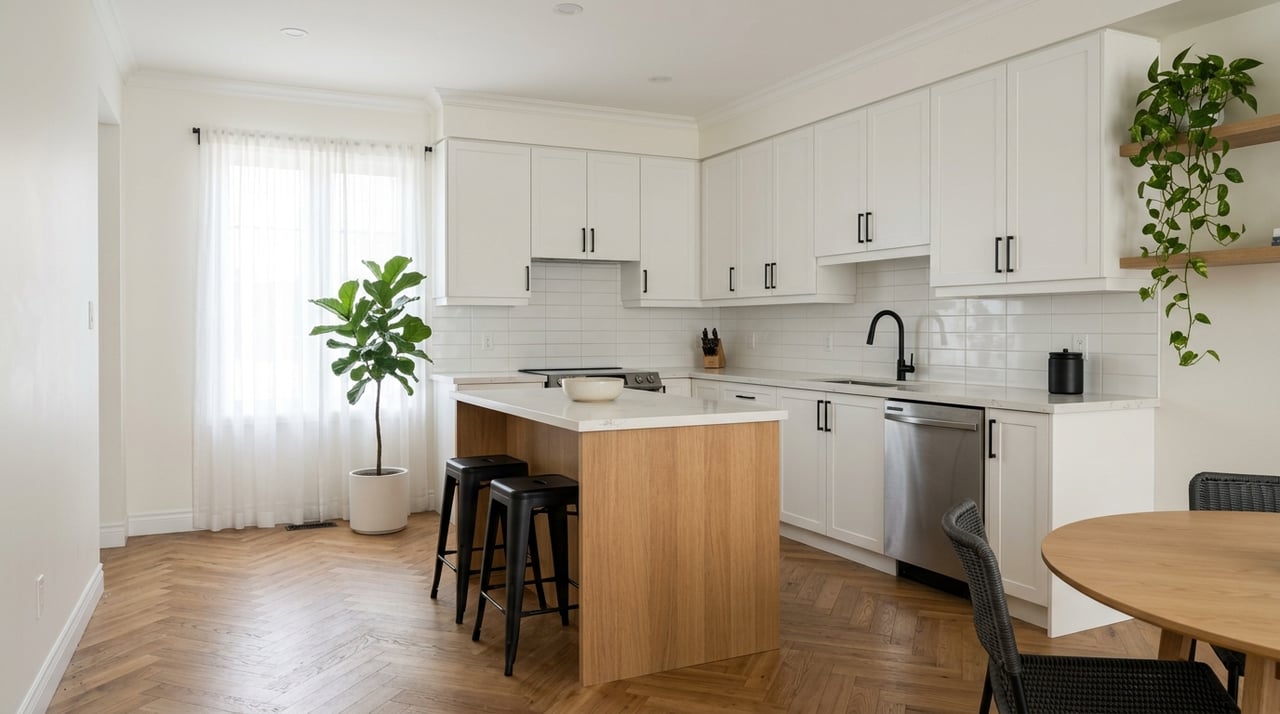
Planning Your First Home Purchase In Troy, MO
May 14, 2026
May 14, 2026
Thinking about buying your first home in Troy, MO? You are not alone, and you are not crazy for feeling excited and overwhelmed at the same time. In a market with limited inventory, active new construction, and prices that can vary quite a bit between resale and newer homes, a clear plan can make all the difference. This guide walks you through what to expect, what to budget for, and how to move forward with more confidence. Let’s dive in.
Troy gives first-time buyers a mix that can be hard to find in one place. You may see existing homes with a median sale price around $300,000, while the city’s 2026 comprehensive plan notes that new-construction single-family homes start around $145,000. That range creates options for buyers with different budgets and priorities.
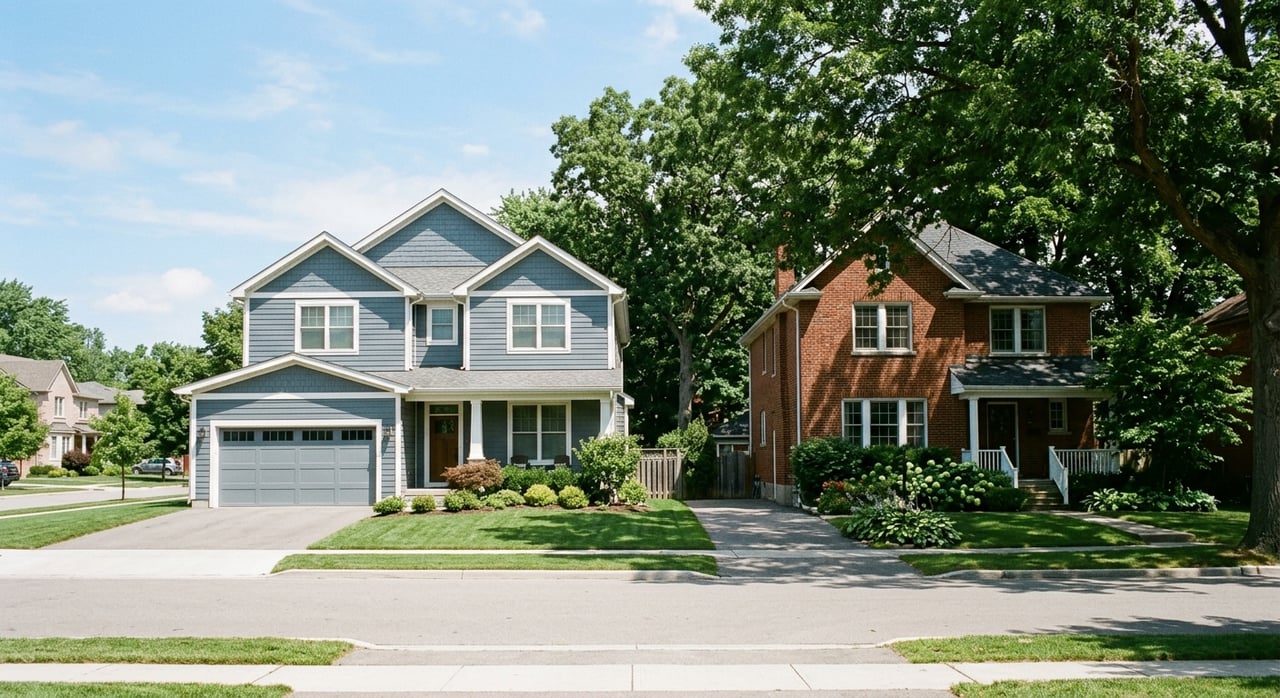
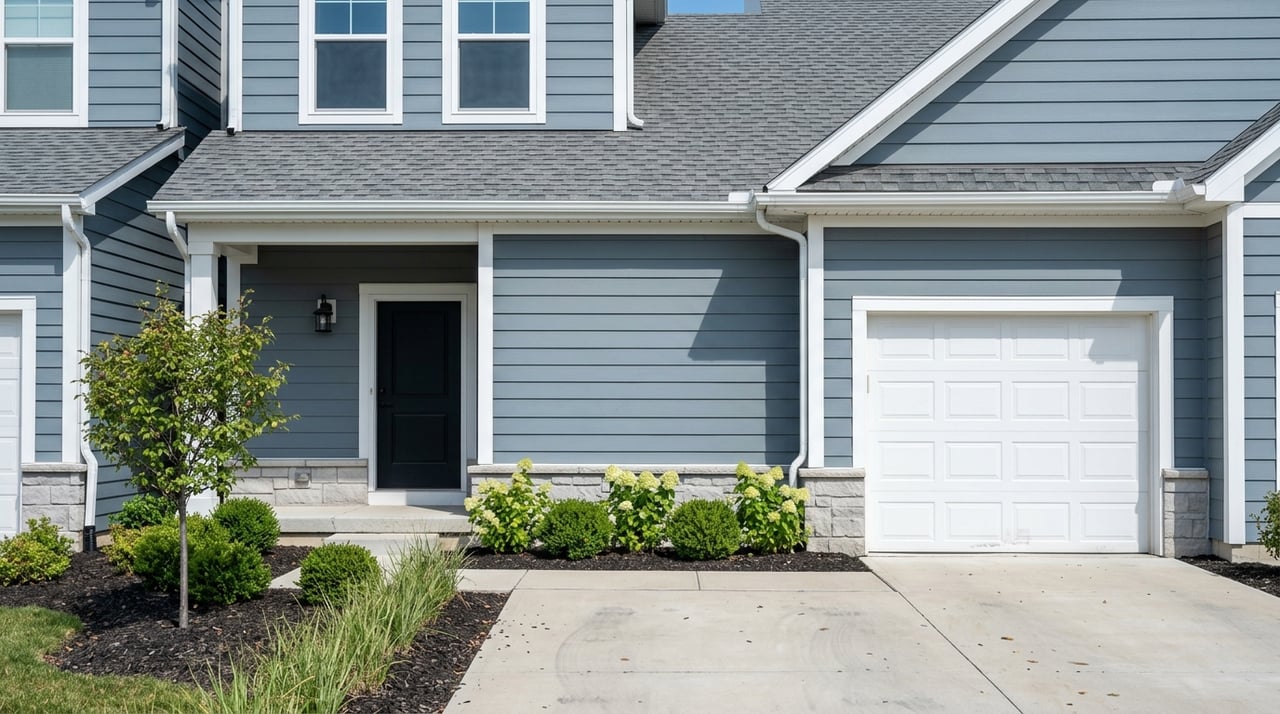
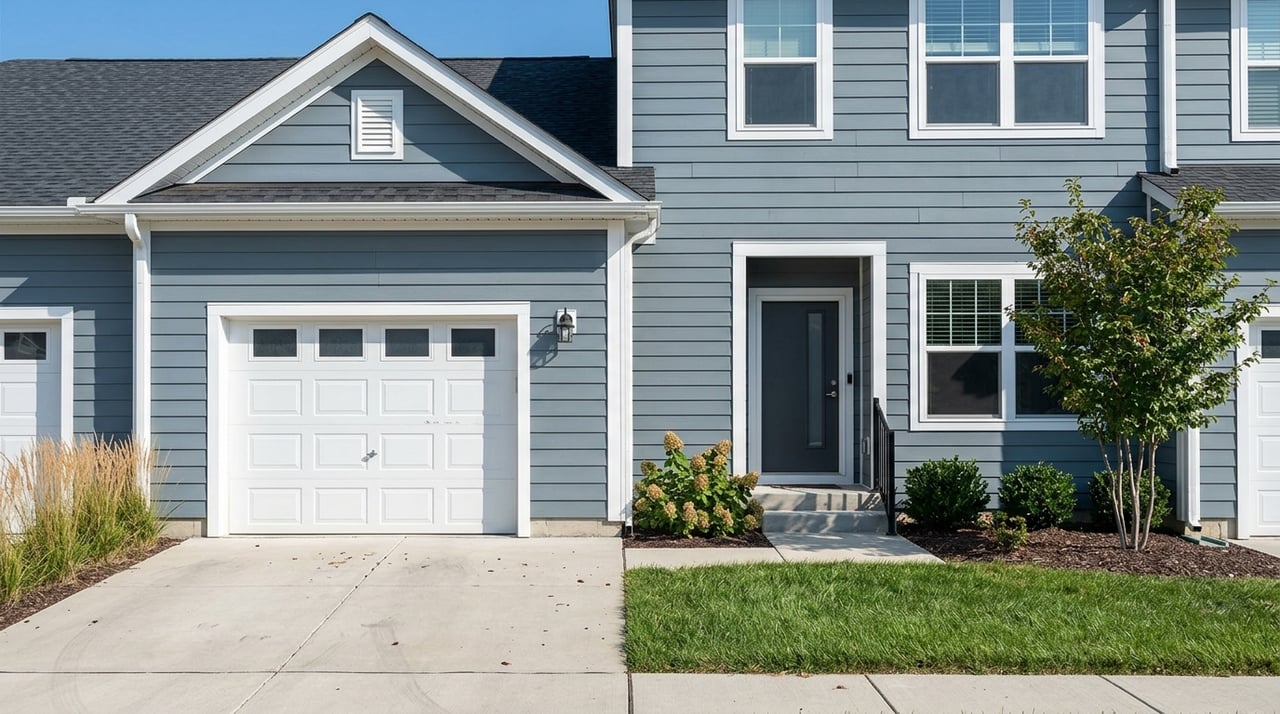
The city’s housing stock also includes a blend of resale homes and newer development. Troy’s comprehensive plan says 14.9% of housing inventory was built since 2010, and it identifies approved or proposed subdivisions such as Manors of Magnolia, Park Hills phases 4 through 6, Whiskey Creek, Stone Crossing phase 7, and The Hamptons phase 3. The Hamptons phase 3 is expected to include villas and townhomes, which may open up more entry points for some buyers.
Troy is generally described as a seller’s market, and recent data points all suggest that inventory remains limited. Recent snapshots showed inventory ranging from 44 active listings to roughly 110 to 156 homes for sale, depending on the source and timing. Median prices also clustered in the high $200,000s to low $300,000s.
Days on market have recently ranged from about 28 to 61 days. That does not always mean every home flies off the shelf overnight, but it does mean well-priced homes can move fast enough that you should be ready to act. If you are waiting until the “perfect” house appears before getting your financing lined up, you may feel behind when a good option hits the market.
Before you decide what price range to search, start with what you want your monthly payment to feel like. A lender will usually look at your income, assets, employment status, savings, monthly debts, credit report, and credit score when deciding whether you can repay a loan. That is why your homebuying plan should begin with your full financial picture, not just a list price.
Your budget should include more than principal and interest. You also need to plan for property taxes, insurance, utilities, maintenance, and upfront closing costs. In Troy, utility costs are one practical local detail that buyers should not skip.
If the home is within Troy city limits, the city currently lists these monthly base charges:
The city also states that water and sewer are billed at double rates outside city limits. When establishing new service, the city lists utility deposits of $100 for homeowners and $150 for renters. If you are comparing a home inside city limits with one outside city limits, that difference can affect your real monthly cost.
A preapproval letter is not just a nice extra. It is a lender’s tentative willingness to lend up to a certain amount, and it helps you focus your search on homes that fit your financing picture. It also signals that you are serious when it is time to submit an offer.
For first-time buyers in Missouri, this step is also important because it can help you identify assistance options early. The Missouri Housing Development Commission offers the First Place program for qualified first-time homebuyers and Veterans, with below-market mortgage financing plus cash assistance for down payment and closing costs. Its Next Step program is designed for first-time and repeat buyers who exceed First Place income limits and also offers cash assistance.
Both programs are offered through certified lenders, and MHDC says there is no minimum down payment or minimum loan amount. Because eligibility depends on factors like household income, estimated purchase price, and occupancy status, it makes sense to check this early rather than after you fall in love with a house.
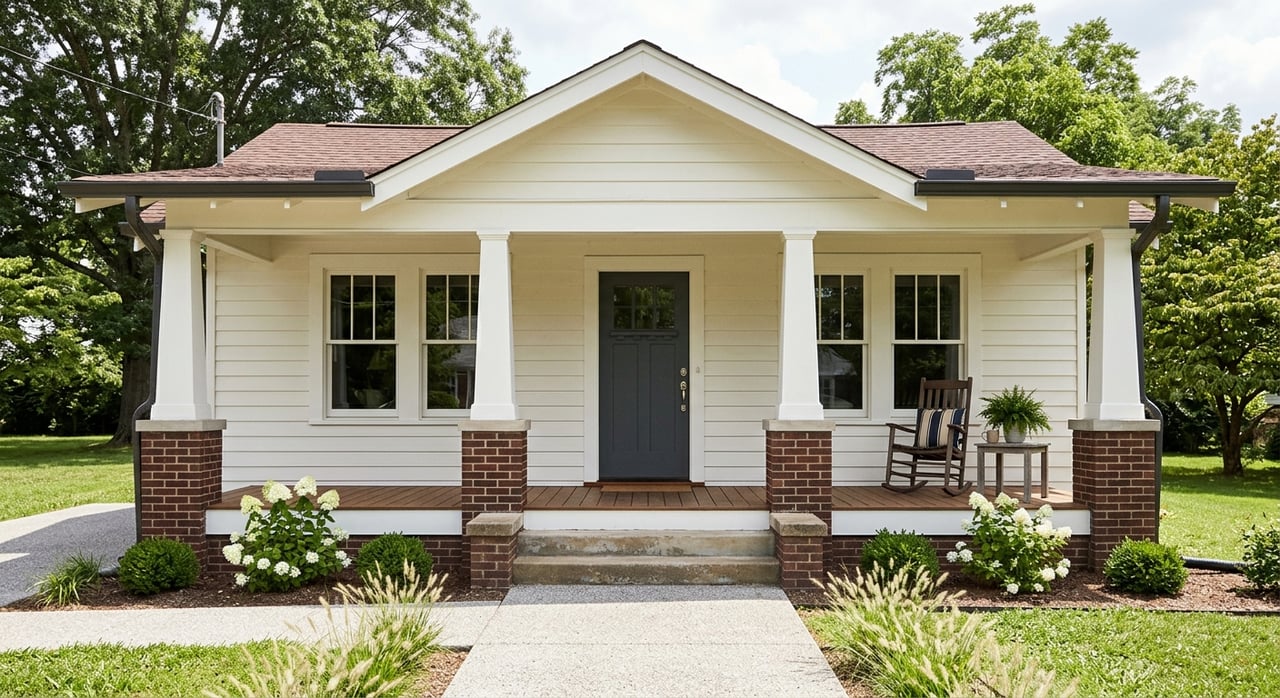
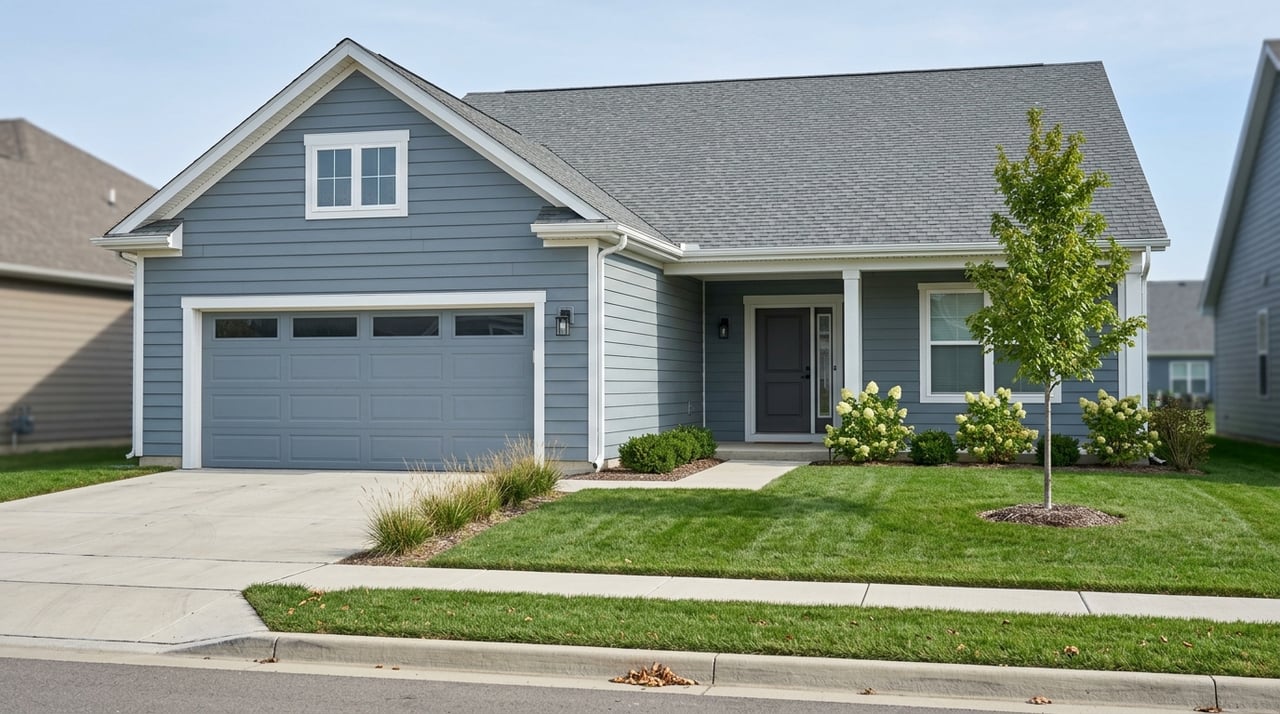
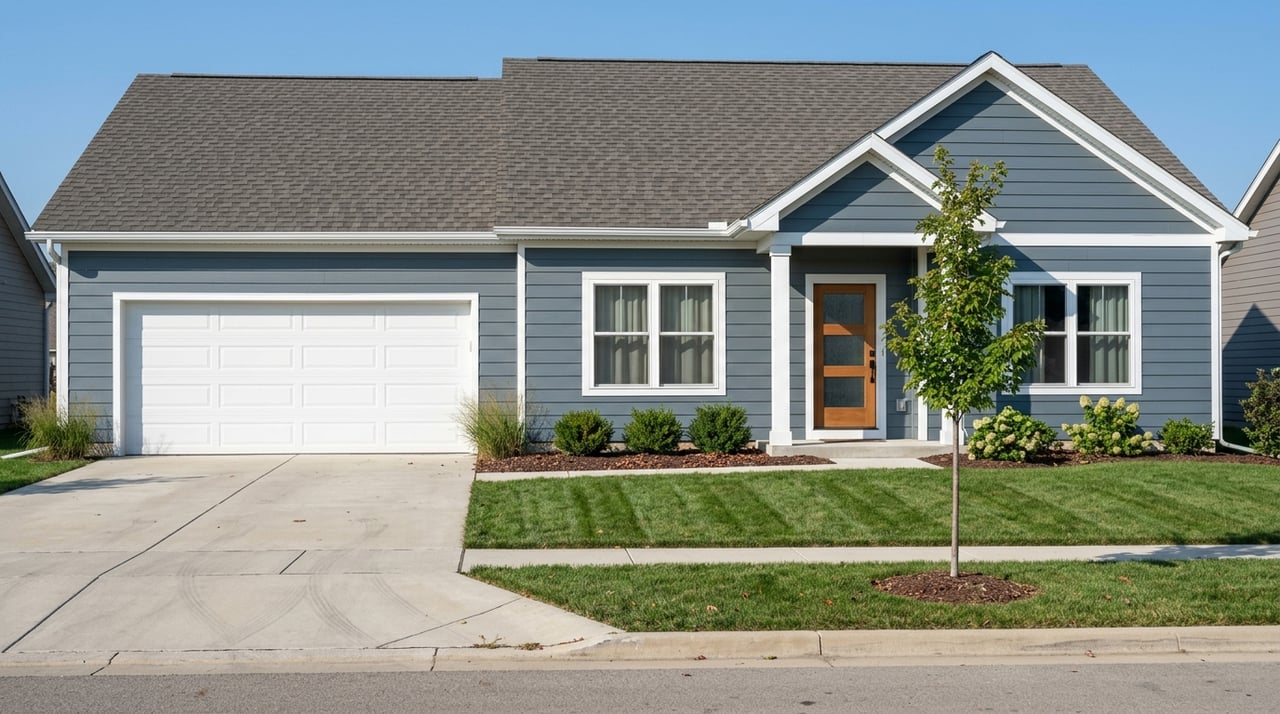
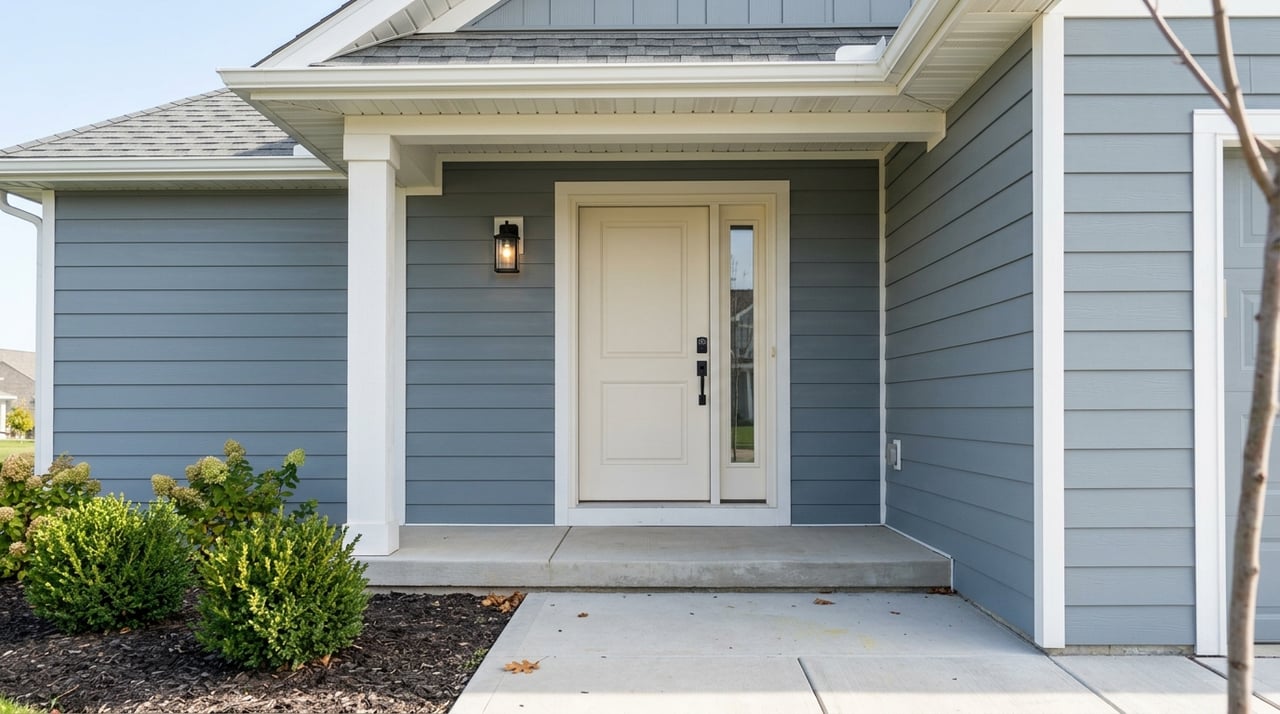
Many first-time buyers in Troy will be looking at detached single-family homes. Current listing patterns point to plenty of 3-bedroom homes, often with 2 bathrooms, garages, and basements. You may also come across ranch-style homes, finished basements, and properties on larger lots or even acreage.
That variety can be helpful, but it also means your wish list needs to be realistic. A home on several acres may offer privacy and space, while a home in a newer subdivision may give you a more predictable layout and less immediate maintenance. Some buyers also may want to keep an eye on villas or townhome options tied to newer development.
Before you start touring homes, separate your list into needs and wants. This can keep you from stretching your budget for features that matter less once the monthly payment becomes real.
A simple way to organize your list is:
This sounds basic, but it helps you make faster and calmer decisions in a market where good homes may not sit for long.
When you are ready to make an offer, speed matters, but so does protection. Your contract language should help protect your budget and your due diligence. That can include inspection language and financing-related protections so you are not forced to move forward if your loan falls through or the inspection reveals serious issues.
You should also ask about flood and disaster risk before making an offer. That is part of understanding the real cost and risk of the property, not just the list price. A home that looks affordable at first glance can become less comfortable financially if it comes with added costs or concerns.
A home inspection and an appraisal are not the same thing, and most buyers need both. The appraisal is primarily tied to the lender’s process, while the inspection is your chance to understand the home’s condition in more detail. If major issues show up, you may be able to renegotiate repairs, request credits, or cancel the contract if your offer allows for that.
For a first-time buyer, the inspection often becomes one of the most important learning points in the whole transaction. It helps you move from “I like this house” to “I understand what owning this house may involve.” That clarity is worth a lot.
The mortgage process has a few key checkpoints that are easy to overlook when everything starts moving fast. After you apply, the Loan Estimate generally arrives within three business days. This is one of your first chances to compare loan terms and projected costs carefully.
Later, the lender must provide the Closing Disclosure at least three business days before closing. That final review window matters. You should compare the Closing Disclosure against the earlier Loan Estimate and ask questions if any numbers look off.
Closing costs are not just lender fees. In Lincoln County, deed recording is handled by the Recorder of Deeds, and the current fee schedule lists $24 for the first page of a real estate document plus $3 for each additional page. The county also notes that documents must meet notarization and formatting requirements.
Property taxes in Troy are also parcel-specific. Lincoln County explains that Missouri property tax is ad valorem, the Assessor establishes fair market value, the Collector bills and collects the tax, and local taxing jurisdictions set levy rates within legal limits. In plain terms, two homes with similar prices may still carry different tax bills depending on the property’s taxing districts.
Once you close, there are still a few practical steps to handle right away. In Troy, the utility billing department manages water, sewer, and trash accounts. The city also advises new residents to verify whether the property is within city limits before setting up service.
That is a small detail, but it can affect both your billing structure and your setup process. A smooth closing feels even better when you already know who to call and what costs to expect.
If you want to keep the process low-stress, focus on the steps in the right order. Troy’s mix of limited inventory, moderate pace, and ongoing subdivision growth rewards buyers who are prepared.
Here is a practical roadmap:
Buying your first home in Troy does not require knowing everything on day one. It requires a good plan, clear guidance, and the ability to move with confidence when the right home appears. If you want a local expert to help you sort through budget, timing, neighborhoods, and the next steps, Lexi Engelbach can help you make the process feel more organized and much less overwhelming.
Real estate should feel exciting—not overwhelming. With over a decade of experience in St. Louis, I help clients buy and sell with clarity, confidence, and zero pressure. From first-timers to seasoned movers, I bring calm guidance, sharp insight, and a little humor to every step.