Getting Your Kirkwood Bungalow Market‑Ready, Step By Step
July 2, 2026
July 2, 2026
If you are getting ready to sell a Kirkwood bungalow, the goal is not to make it look like every other house on the market. The goal is to help buyers see a clean, bright, well-cared-for home while keeping the details that make a bungalow feel like it belongs in Kirkwood. With the right prep plan, you can protect that character, avoid costly missteps, and put your home in a strong position before it hits the market. Let’s dive in.
Kirkwood has a strong preservation framework, and that matters before you touch the outside of your home. The city says it has 85 designated landmarks and nine local historic districts, and certain exterior work on those properties can require design review before a permit is issued.
That is especially important for bungalow owners because Kirkwood’s design materials specifically recognize the bungalow as a meaningful local house style. These homes were especially popular in the 1910s and 1920s, and many Kirkwood examples still keep their original character.
If your home is a designated landmark or located in a local historic district, demolition, exterior alterations, additions, and new construction can require a Certificate of Appropriateness before a building permit is issued. Kirkwood also advises owners to start that review during the schematic design phase.
The city says complete applications are reviewed within 60 days. If you are hoping to sell on a tighter timeline, that review window can shape your entire prep schedule.
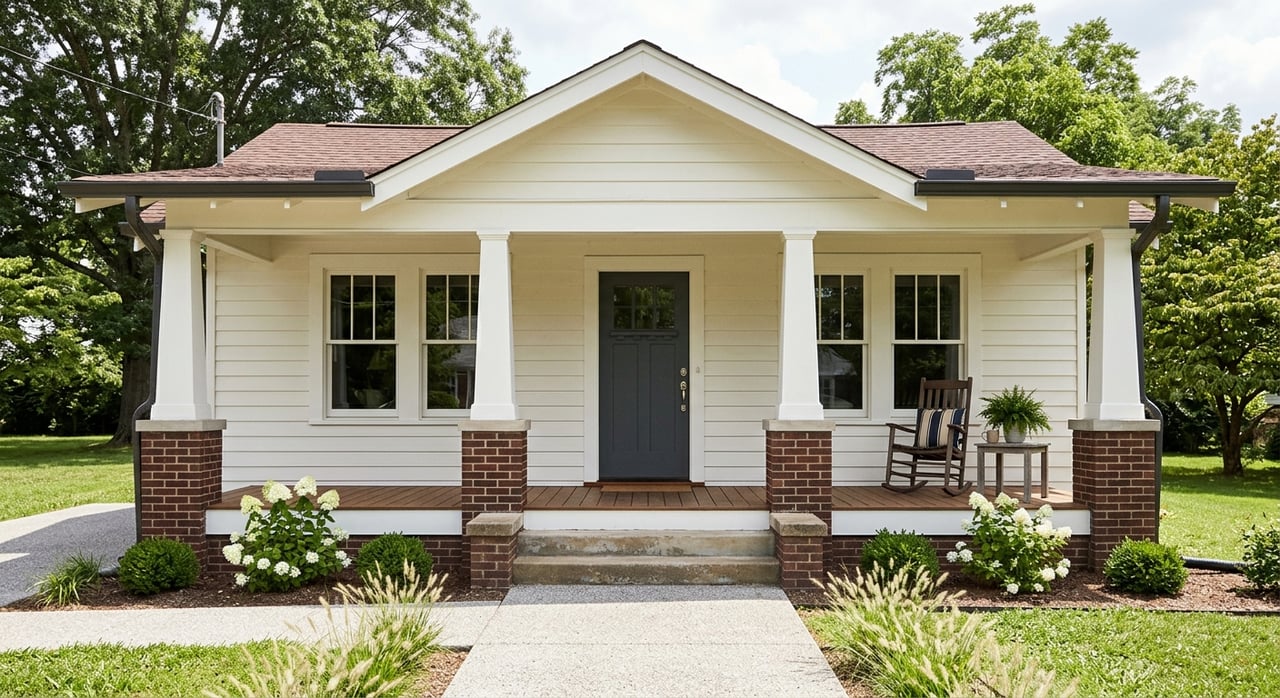
For a Kirkwood bungalow, market-ready does not mean stripping away original charm. The city’s bungalow guidance highlights features like low-pitched roofs, overhanging eaves, and prominent front porches as part of the style’s identity.
That means your prep plan should focus on making the home look cleaner, brighter, and more functional, not more generic. Buyers are often drawn to these homes because of their character, so preserving it can be part of your advantage.
Before you plan updates, start with the basics. A smaller bungalow can feel warm and inviting, but it can also feel cramped if every surface is full.
A standard seller prep formula is simple: declutter, depersonalize, deep clean, make needed repairs, and stage. In a bungalow, that first round of editing is often where you get the biggest visual improvement.
Focus on the items that make rooms feel busier than they are. That includes clothing left out, toys, papers, crowded kitchen counters, and overfilled bathroom surfaces.
When you remove visual clutter, buyers can pay attention to the home itself. They notice the windows, trim, layout, storage, and architectural details instead of your everyday belongings.
Deep cleaning helps a home feel more maintained right away. Wipe down surfaces, brighten kitchens and baths, and pay close attention to floors, grout, sinks, and light fixtures.
This step matters in every home, but it matters even more in a bungalow where the footprint may be more compact. Clean spaces tend to read as larger, lighter, and better cared for.
Once the home is clean, look at what can be refreshed without fighting the style of the house. This is not the time for heavy remodeling or trend-chasing changes that erase original details.
Instead, think in terms of simple improvements that make the home feel crisp and move-in ready. Paint, repaired trim, cleaned grout, updated hardware, and a few carefully chosen fixture swaps can go a long way.
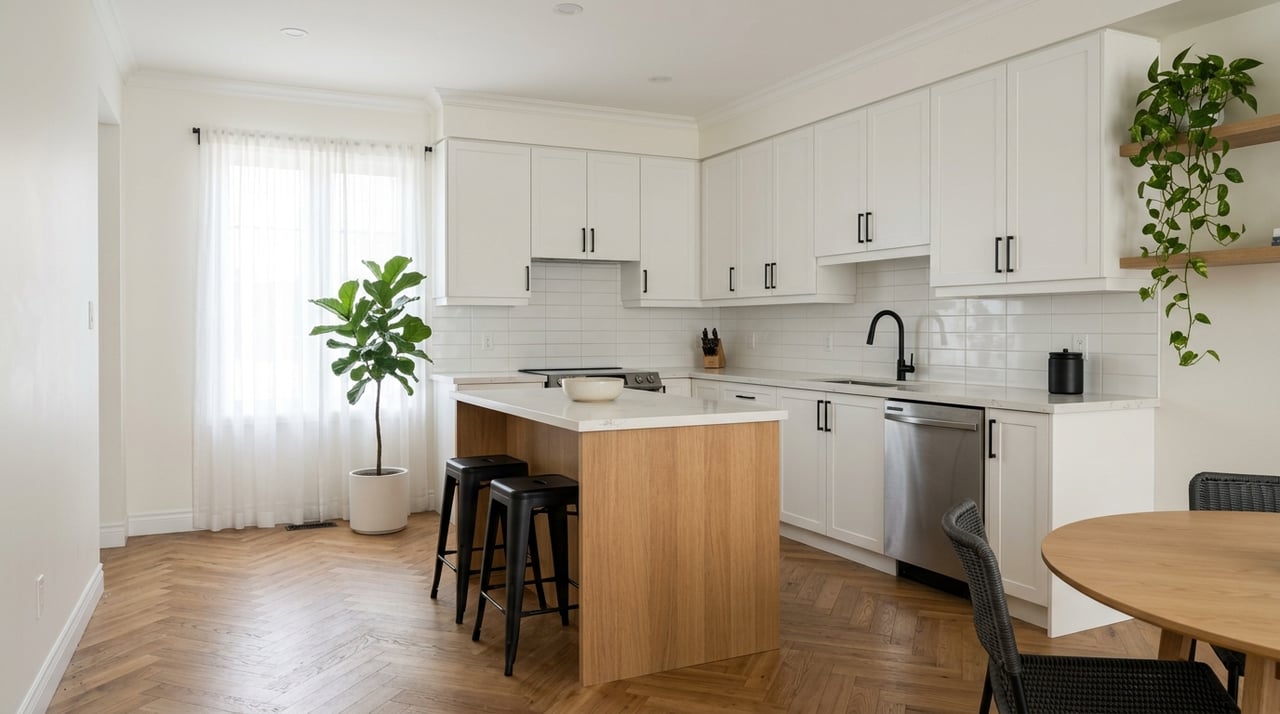
Kitchens and bathrooms often carry outsized weight with buyers. Even if you are not doing a major renovation, small cosmetic improvements in these rooms can make a strong impression.
Fresh paint, clean counters, polished hardware, and a more streamlined look can help these spaces feel updated without disconnecting them from the rest of the home. In a bungalow, consistency matters.
Kirkwood’s bungalow guidance is clear about preserving original forms and compatible materials. That includes roof forms, porches, windows, doors, and other visible architectural elements.
If you are considering exterior updates, be cautious about anything that makes the home look out of step with its original design. In many cases, the best choice is repair and refresh rather than replace and reinvent.
Not all upgrades help a Kirkwood bungalow. Some changes can actually weaken the home’s curb appeal and character, especially if they cover or replace original details.
This is where local guidance becomes especially useful. Kirkwood’s materials offer specific examples of what tends to work and what to avoid.
Try to retain the features that help the house read clearly as a bungalow, including:
These are not just design notes. They are often part of what gives a Kirkwood bungalow its appeal in listing photos and in-person showings.
Kirkwood’s guidance warns against several changes that can hurt the look of a bungalow, such as:
If a buyer is looking for a Kirkwood bungalow, they are usually not hoping it looks less like one. Thoughtful restraint can pay off.
Curb appeal matters in every market, but it carries extra weight with a bungalow because so much of the home’s charm shows up from the street. The porch, roofline, entry path, and front landscaping are all part of the first impression.
A smart exterior refresh helps the house look cared for without hiding the architecture. That balance is the key.
Take a fresh look at the home the way a buyer would. Check the landscaping, paint condition, roof, windows, front door, and house number.
Look for anything that distracts from the home’s best features. Peeling paint, overgrown plantings, or a cluttered porch can pull attention away from the character you want buyers to notice.
Kirkwood’s bungalow guidance recommends retaining mature trees and using front landscaping that does not conceal architectural features. The goal is to frame the home, not bury it.
That often means trimmed shrubs, a neat entry path, and a porch that feels welcoming and visible. For a bungalow, the front porch is not an afterthought. It is part of the story the house tells.
Staging can help buyers picture how they would live in a home. According to NAR’s 2025 staging report, 83% of buyers’ agents said staging made it easier for buyers to visualize a property as their future home.
For a Kirkwood bungalow, staging works best when it makes the home feel open, balanced, and easy to understand. You are not trying to fill every corner. You are trying to show flow, function, and comfort.
The most commonly staged rooms are the living room, primary bedroom, and dining room. In a bungalow, you may also want to pay special attention to the front porch because it is such a recognizable feature.
Use furniture that fits the scale of the rooms. Oversized pieces can make a bungalow feel smaller, while a simpler layout can make the home feel more usable and inviting.
A staged bungalow should feel edited, not empty. Aim for open sightlines, a calm color palette, and enough furniture to define each space without crowding it.
This approach helps buyers focus on the home’s original charm while still seeing how modern daily life can fit comfortably inside it.
Preparation is only half the equation. Pricing and timing also shape how your home performs once it is listed.
Recent market data from major housing platforms points to a competitive Kirkwood market, even though exact numbers vary by source. Redfin reported a May 2026 median sale price of $478,464, median days on market of 7, and sales averaging about 3% above list. Zillow reported an average home value of $471,385, up 3.6% year over year, with homes going pending in around 6 days as of May 31, 2026. Realtor.com showed a median listing price of $509,450, a 100% sale-to-list ratio in May 2026, and a median of 41 days on market.
Pricing should reflect the home’s size, location, amenities, condition, current market conditions, and comparable sales. For a smaller historic home, condition and presentation can matter just as much as square footage.
That is why a simple price-per-square-foot shortcut can miss the mark. Two bungalows with similar size can perform very differently based on upkeep, layout, and how well their original character has been preserved.
National timing trends suggest many sellers take one month or less to get ready to list. But in Kirkwood, your timeline may need to be longer if any exterior work could trigger Certificate of Appropriateness review.
A smart plan is to work backward from your ideal list date. If you are considering exterior improvements, factor in the city’s possible 60-day review window before you schedule photos, staging, or launch.
If you remember one thing, make it this: a Kirkwood bungalow usually shows best when it feels cleaner, lighter, and better organized, not over-renovated. The goal is to help buyers fall in love with the home you already have, especially the features that make it distinctive.
That means checking local review rules early, decluttering thoroughly, making small cosmetic improvements, protecting original exterior details, and staging the rooms that matter most. In a competitive market, those thoughtful steps can help your home stand out for the right reasons.
If you want a low-stress plan for getting your Kirkwood home ready to list, Lexi Engelbach can help you map out the right updates, pricing strategy, and launch timeline.
Real estate should feel exciting—not overwhelming. With over a decade of experience in St. Louis, I help clients buy and sell with clarity, confidence, and zero pressure. From first-timers to seasoned movers, I bring calm guidance, sharp insight, and a little humor to every step.