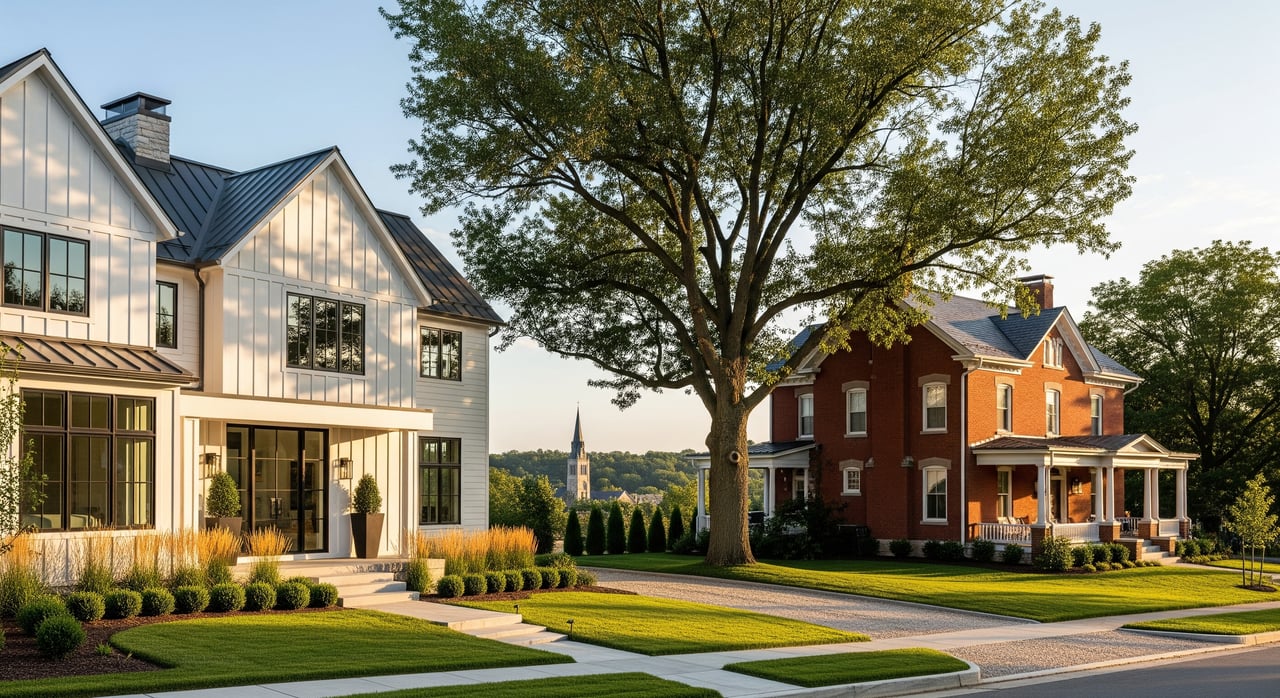
New Construction vs Resale In Troy: Pros And Cons
December 4, 2025
December 4, 2025
Trying to decide between a brand-new build and a move-in-ready resale in Troy? You are not alone. With steady growth around Lincoln County and many buyers commuting into the St. Louis metro, the choice affects your budget, timing, and long-term comfort. In this guide, you will learn the real pros and cons of each option in Troy, what to expect for costs and timelines, and a practical checklist to keep your purchase on track. Let’s dive in.
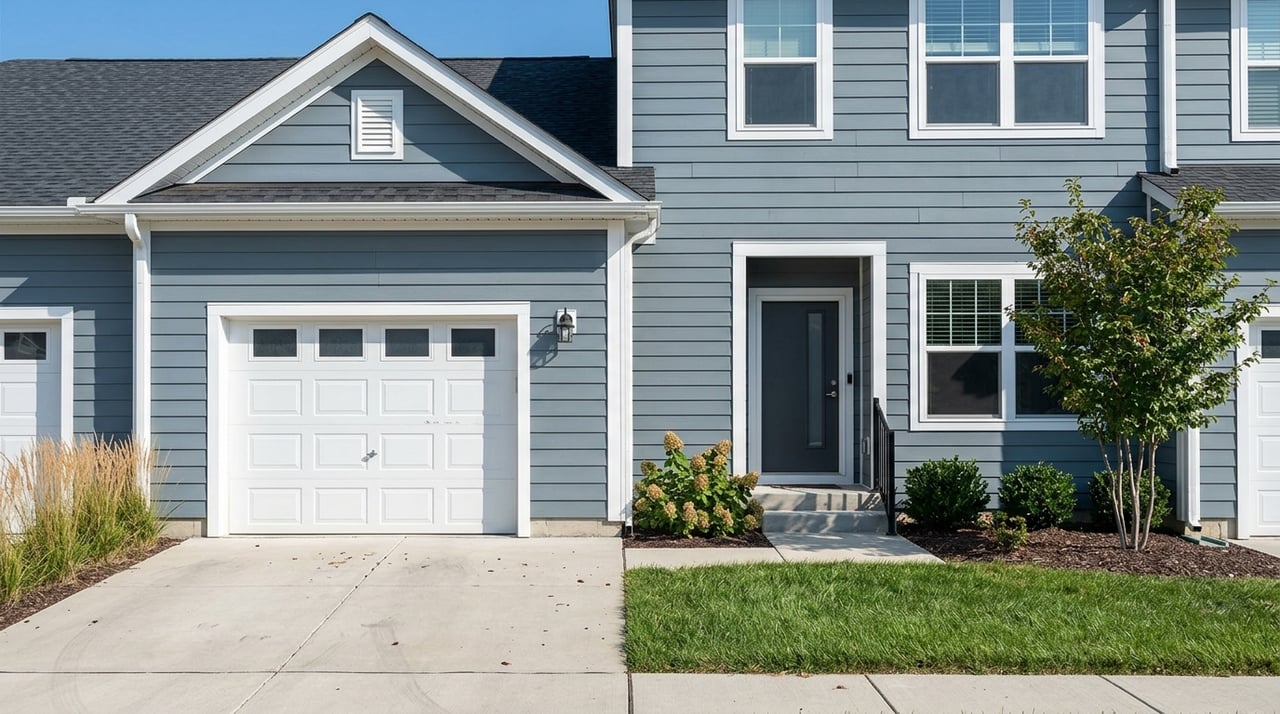
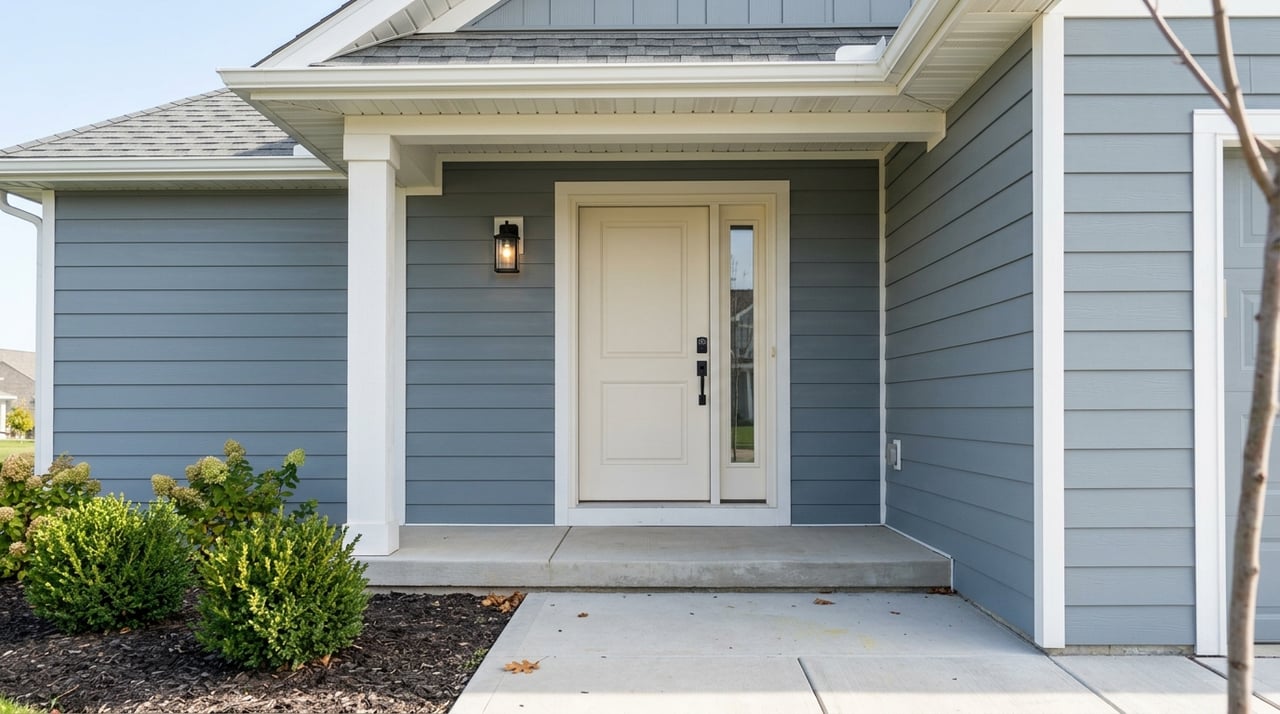
New builds let you customize floor plans, finishes, and some lot choices. If you want a modern layout, accessible features, or energy-efficient systems, this can be a strong fit. You also start with new mechanicals and roofing, which can reduce early maintenance.
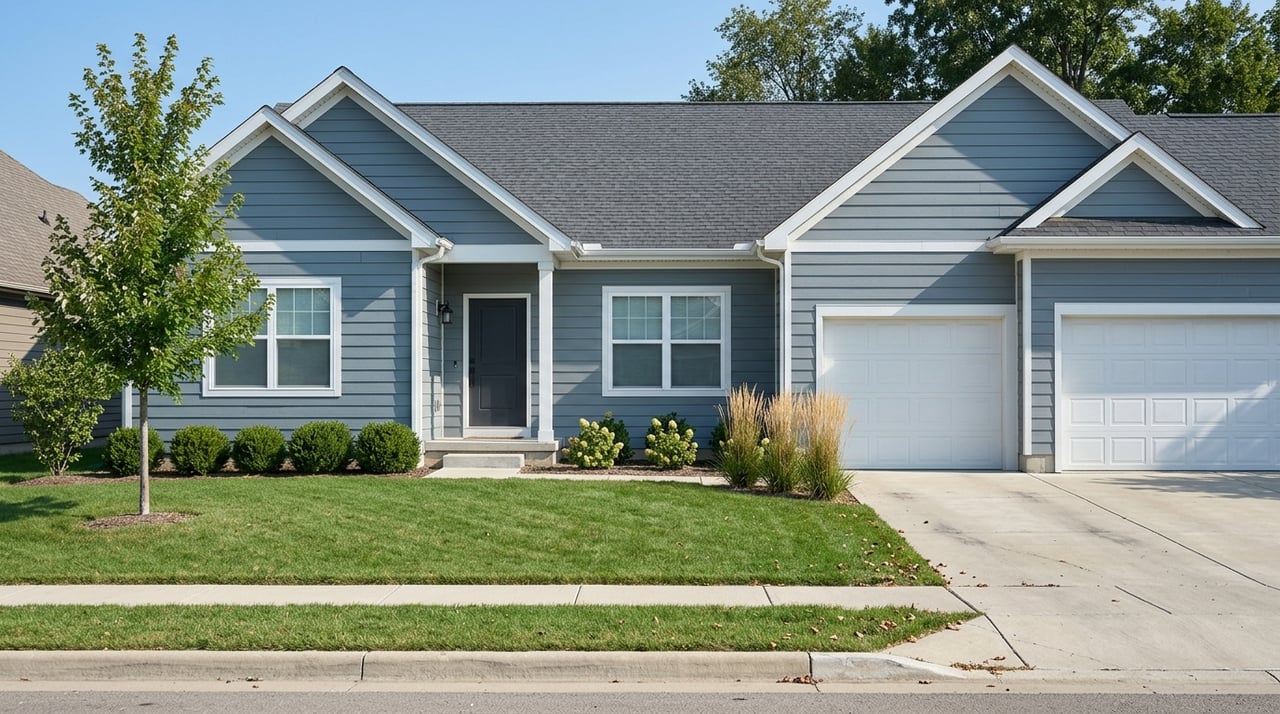
Most new homes meet current codes and often include a builder warranty. Many builders offer one year of workmanship coverage with longer structural protection. New subdivisions around Troy may also bring sidewalks, parks, or community green space that add daily convenience.
The base price may look competitive, but upgrades, lot premiums, and site work can raise the total. Outside city limits, the cost of wells, septic systems, grading, and longer driveways can be significant. Be sure to price the full build, not just the base package.
Timing is another factor. Building can take several months, and schedules can shift due to weather, materials, or permit queues. Appraisals in newer areas can be conservative if there are few comparable sales nearby, which may affect financing or require a plan for gaps.
Resale homes are usually available on a 30 to 60 day closing timeline. If you need to move quickly, this helps. Established neighborhoods often offer mature trees, completed landscaping, and a clear sense of the surrounding area.
You may have room to negotiate on price or seller credits, depending on market conditions. Appraisals are often more straightforward because comparable sales are easier to find. Some resale homes also sit on larger lots and offer unique character that is hard to replicate.
Older systems may require updates and could be less energy efficient. You might plan for near-term repairs to roofing, HVAC, plumbing, or electrical, as well as cosmetic updates. Warranty coverage is limited unless the seller provides one or you purchase a third-party policy.
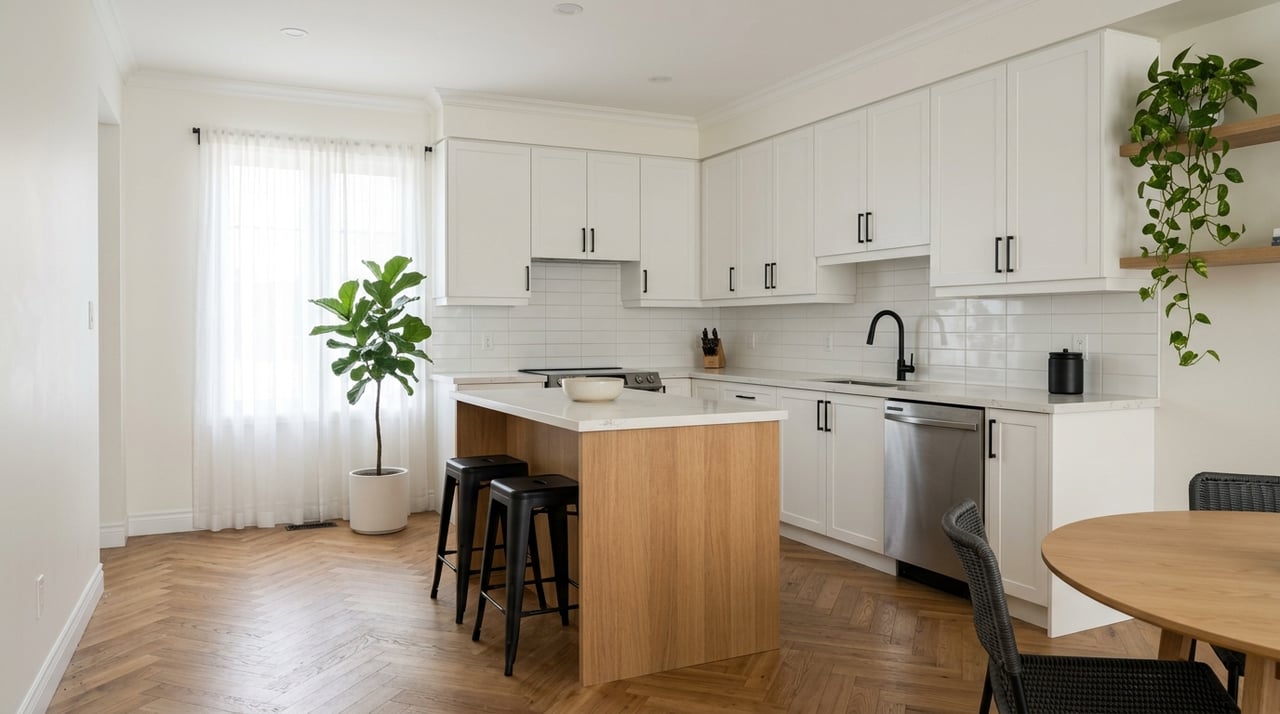
If you prefer a contemporary layout or specific accessibility features, you may need to budget for renovations. Factor those costs into your offer strategy and timeline.
New construction requires permits and inspections. In-city lots are usually handled by the City of Troy. For unincorporated areas, Lincoln County processes zoning, septic permits, and related reviews. Confirm the process and current timelines with local planning staff before you set expectations.
If you are comparing individual parcels, review flood status on the FEMA Flood Map Service Center and double check whether the lot has city water and sewer or will require a private well and septic system. Utility availability will shape both budget and timeline.
Production or spec builds commonly run several months to about nine months once site work begins. Custom builds may take six to twelve months or more. Weather, septic approvals, and utility connections are common sources of delays.
Resale closings usually take 30 to 60 days. If you are relocating or timing a sale and purchase together, this faster path can help you manage transitions.
For new builds, plan for both hard and soft costs. Hard costs include materials, labor, site prep, and utility connections. Soft costs cover permitting, design upgrades, inspections, and lot premiums. Around Troy, also budget for potential tree removal, driveway length, culverts, and erosion control.
For resale homes, your major costs center on purchase price, inspections, appraisal, and standard closing costs. If the home needs updates, add a realistic renovation allowance and line up contractor estimates during your inspection window.
Resale purchases typically use conventional, FHA, VA, or USDA loans. For addresses outside dense city areas, you can check if a property might qualify on the USDA Rural Development eligibility map.
New construction can use construction-to-permanent loans or a separate construction loan followed by permanent financing. Not all lenders offer these. Work with a lender experienced with Missouri construction loans so you understand draw schedules, interest during construction, and down payment requirements.
Appraisals on brand-new homes rely on nearby comparable sales. In a growing area with limited new comps, expectations may need adjusting. Discuss appraisal gap strategies with your lender and builder.
Inspections matter for both paths. On new construction, consider pre-drywall and final inspections to catch issues early. For resale, a full home inspection plus targeted evaluations for roof, HVAC, pest, or chimney can help you negotiate repairs or credits.
Builders often include a workmanship warranty and limited structural coverage. Ask for written terms, what is covered, and how to file a claim. Some builders offer closing cost help, rate buydowns, or appliance packages, but confirm how incentives interact with price and appraisal.
Resale sellers may agree to concessions or provide a home warranty. What is common varies with market conditions in Troy and broader Lincoln County.
Before you write an offer on any property, verify flood zone status using the FEMA Flood Map Service Center. If a lot falls in a higher-risk zone, you may need flood insurance, which affects monthly costs.
Newly constructed homes are generally assessed based on new construction value, which influences first-year taxes. For school assignments and general performance indicators, confirm zoning with the Missouri Department of Elementary and Secondary Education or the local district.
Choose new construction if you want tailored features, lower initial maintenance, and plan to stay put through a build timeline. This path can be ideal if energy efficiency and modern layouts top your list.
Choose resale if you need to move on a shorter schedule, prefer established neighborhoods, or want the ability to negotiate price and credits. Resale can also make sense if you value larger lots or character that is hard to reproduce.
If you are still torn, weigh your top three priorities: timing, total budget, and desired features. Then compare the all-in cost of a new build against a realistic purchase-plus-renovation number for a similar resale.
Ready to compare specific properties and builders around Troy? Schedule a friendly strategy session with Lexi Engelbach to map your options and next steps.
Real estate should feel exciting—not overwhelming. With over a decade of experience in St. Louis, I help clients buy and sell with clarity, confidence, and zero pressure. From first-timers to seasoned movers, I bring calm guidance, sharp insight, and a little humor to every step.