Wondering when to list your Sunset Hills home for the best results? The right timing can mean more showings, faster offers, and less stress. You want a plan that fits your goals, the local calendar, and today’s market. In this guide, you’ll learn the best months to sell in Sunset Hills, how to read local indicators, and a simple prep timeline so you can launch with confidence. Let’s dive in.
Why timing matters in Sunset Hills
Real estate follows a seasonal rhythm. Buyer activity usually ramps up in late winter, peaks in spring, stays active into summer, then slows in fall and winter. In the St. Louis area, weather and school schedules play a big role in when buyers shop and move.
In Sunset Hills, four true seasons shape curb appeal and showings. Spring landscaping and outdoor spaces show beautifully. Families often plan moves around the school calendar, so listing before summer can attract more buyers. Inventory in smaller suburbs can be limited, which means a well-timed listing can stand out and draw strong attention.
Best months to list in Sunset Hills
Primary window: March to May
Spring is typically the strongest season for sellers. You benefit from fresh curb appeal, higher buyer demand, and a timeline that allows buyers to close and move over summer. If your goal is maximum exposure and competition, this window is your best bet.
Secondary window: Late July to September
Late summer into early fall can work well if you miss spring. Many buyers re-enter the market after vacations, and temperatures are still comfortable for showings. Demand is usually a bit lower than spring, but still meaningful.
When winter can work
Late November through December and the early months of the year bring fewer buyers, but those buyers can be highly motivated. Distinctive or higher-end homes can perform well with focused marketing. If inventory is especially low, even a January or February listing can succeed with the right pricing and presentation.
Weekly launch strategy
Plan to go live midweek, typically Thursday or early Friday. This timing puts your listing in front of buyers as they plan weekend showings and can help you concentrate interest into the first few days on market.
Match timing to your property and goals
Family-oriented single-family homes
If your home appeals to families, aim for March through June. This timing supports summer moves and school-year transitions, which can boost urgency and offer quality.
Luxury and unique homes
Luxury timing is less tied to the calendar. Success depends more on targeted outreach, top-tier visuals, and strong positioning. Winter can still work when you match the right buyers with a polished marketing plan.
Selling and buying at the same time
Many move-up sellers list in spring or early summer to align both transactions. Coordinate closing dates, consider rent-back options if needed, and set your list date after you review current inventory and buyer demand.
Read the market before you pick a date
Before you circle a launch day, review key indicators so you can time your listing to demand:
- Months’ supply of inventory and active listings. Lower supply usually means stronger leverage for sellers.
- New listings coming soon. A surge of similar homes can dilute attention.
- Median sale price and recent price trend. Know if values are rising or cooling.
- Days on market and time to contract. Shorter timelines point to stronger demand.
- Sale-to-list price ratio. Helps set realistic price and negotiation expectations.
- Pending sales, showing activity, and online interest. These point to immediate buyer appetite.
- Mortgage rate trends and affordability. Falling rates can boost demand; rising rates can slow it.
How to use these signals:
- If months’ supply is low and DOM is short in spring, lean into a March–May launch for maximum competition.
- If many comparable homes hit the market at once, consider waiting a week or two or adjust price and marketing to stand out.
- If rates spike and buyer activity dips, plan for flexible terms or a sharper list price. If rates ease and demand pops, move quickly to capture the window.
Your 8 to 12-week prep timeline
Give yourself enough runway to make your home shine and launch smoothly.
- 8–12 weeks out: Tackle major repairs, get contractor bids, and consider a pre-listing inspection to uncover issues early.
- 6–8 weeks out: Complete repairs, deep clean, declutter, and make staging decisions. Book landscaping updates timed with photos.
- 3–4 weeks out: Schedule professional photos and video, order floor plans or a virtual tour, and finalize pricing with a fresh CMA.
- 1–2 weeks out: Finish staging, do a professional clean, and activate pre-marketing. Service HVAC and check all major systems.
- Launch week: Go live midweek and build at least 72 hours of exposure before the first weekend.
Pre-listing tasks to check off
- Price planning. Set a strategic list price with a CMA and consider psychological price points.
- Inspection strategy. A pre-listing inspection can avoid surprises and speed up closing, though it may surface items you must address.
- Disclosures and legal. Complete required Missouri property condition disclosures and confirm any municipal requirements.
- Staging and visuals. Invest in professional photography and tours, especially if inventory is tight.
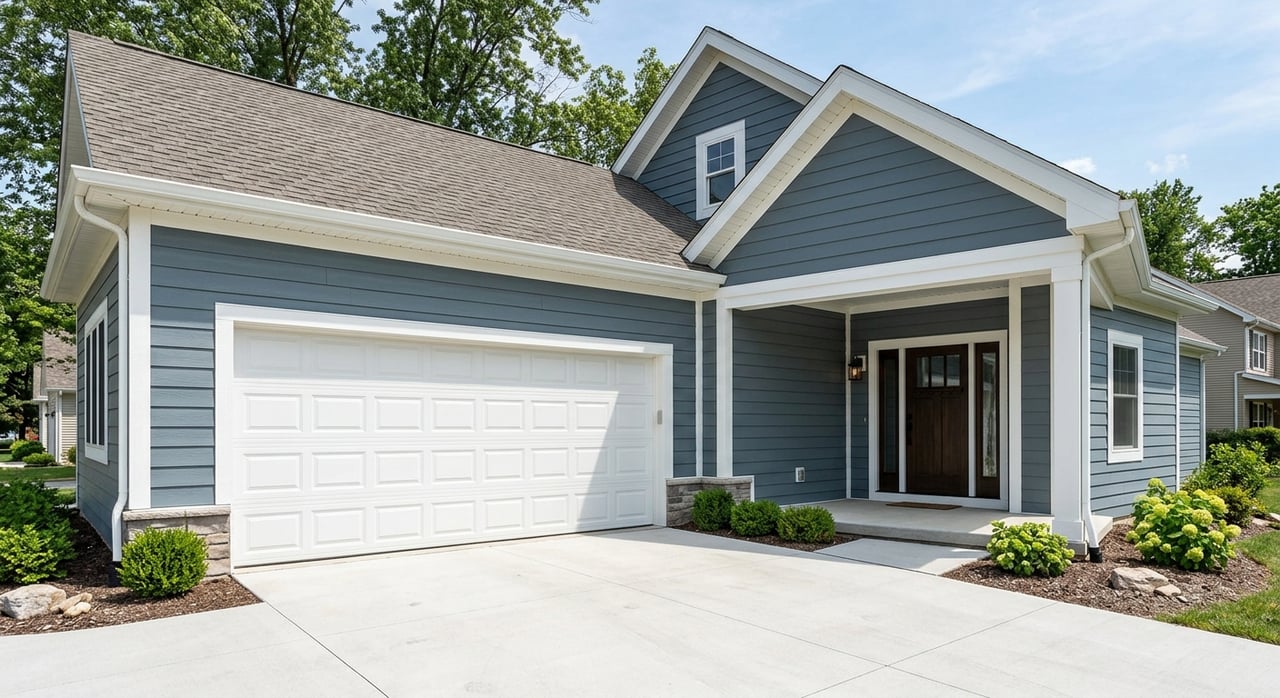
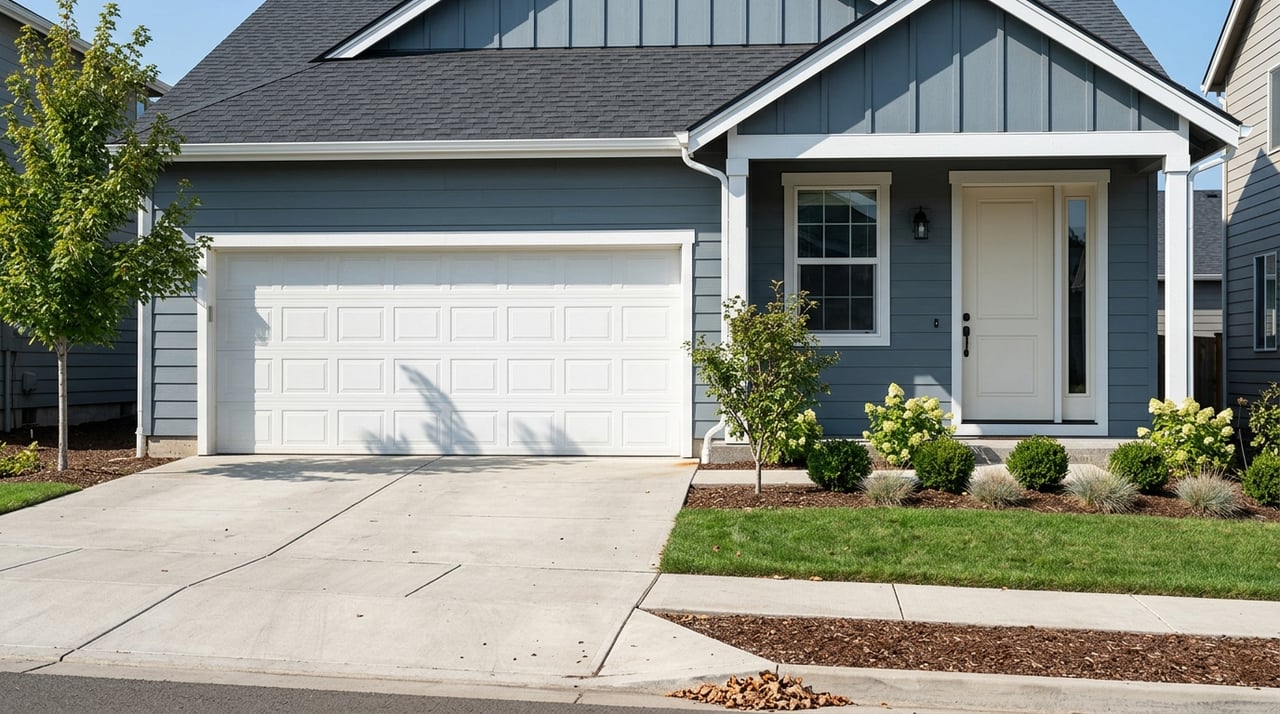
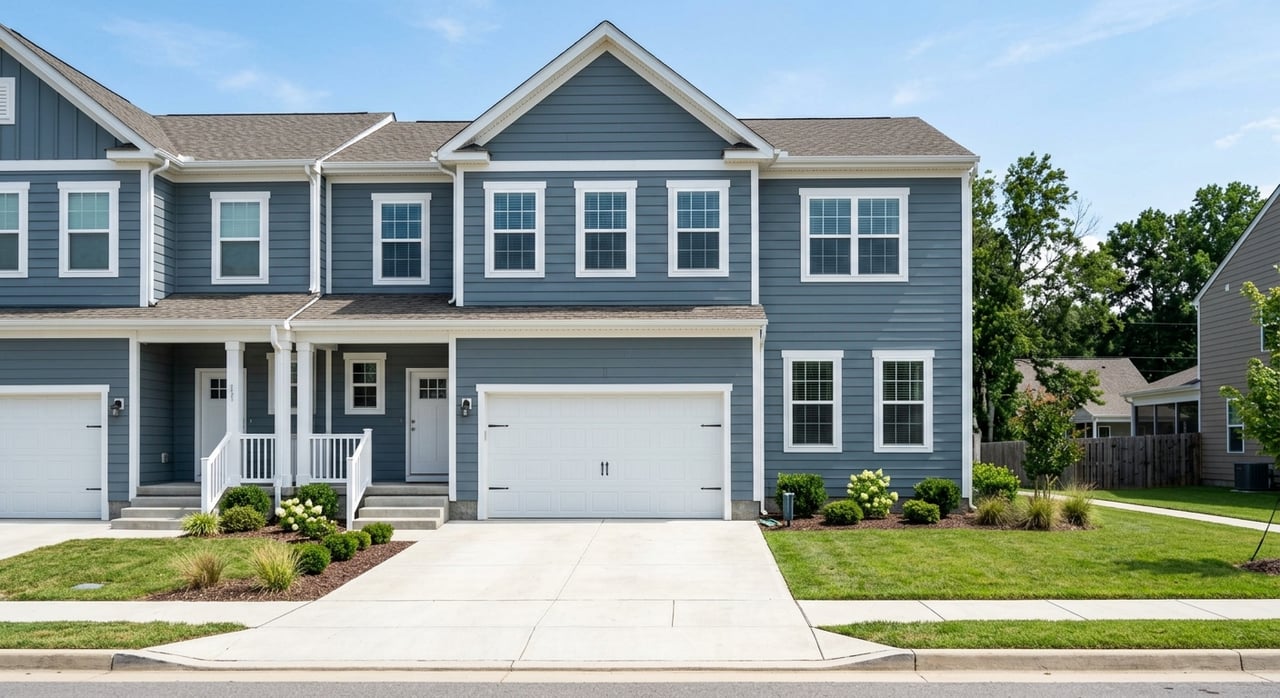
- Landscaping and curb appeal. Refresh mulch, trim shrubs, power wash, and maintain lawns based on season.
- Utilities and HVAC. Service systems and change filters for comfortable showings in any weather.
- Showing access. Offer broad availability in peak weeks, including weekends.
Seasonal staging tips for Sunset Hills
- Spring: Blooming beds, fresh mulch, trimmed shrubs, and a clean exterior.
- Summer: Highlight decks, patios, and pools. Keep lawns watered and neat.
- Fall: Rake leaves, clean gutters, and use warm interior lighting.
- Winter: Clear ice and snow, use tasteful seasonal decor, and keep interiors bright and comfortably warm.
Pricing and negotiation by season
- In peak spring with low competition, price competitively to encourage multiple offers while staying grounded in your CMA.
- In slower months, plan for more negotiation. Consider flexible terms like closing cost help or a rent-back if it helps both sides.
- Be ready to negotiate timing. Some buyers prefer longer closing windows in low-demand seasons, while peak-season buyers may accept a faster close.
Sample countdown for a summer move
If you want buyers to close and move in June through August, aim to list in March, April, or early May. Typical closings run 30 to 60 days, so a spring launch aligns well with summer timelines. Count backward from your ideal move date to set your prep schedule and photography.
Put a local plan behind your timing
Every Sunset Hills home and situation is different. The strongest results come from aligning your goals with today’s inventory, buyer demand, interest rates, and a polished launch plan. If you want help reading the market and building a stress-reducing timeline, connect with a local pro who combines neighborhood insight with modern marketing.
Ready to choose the right week to list and make your first weekend count? Schedule a friendly strategy call with Lexi Engelbach.
FAQs
What’s the best month to sell a home in Sunset Hills?
- Spring, especially March through May, is typically the strongest for buyer traffic and competitive offers.
Should I wait until spring to list in Sunset Hills?
- Not always. If inventory is very low or you have a specific timeline, a well-priced listing can perform in other seasons too.
How do mortgage rates affect my listing timing?
- Falling rates can boost demand and speed up sales, while rising rates may slow activity and require more flexible pricing or terms.
When should I schedule listing photos in Sunset Hills?
- After staging and landscaping are complete. For spring launches, target a clear day and consider twilight shots for dramatic curb appeal.
Is late summer or early fall still a good time to sell?
- Yes. July through September can work well for buyers returning from summer plans, though demand is usually lighter than spring.
Can I sell in winter and still get a strong result?
- Yes. Winter buyers are often motivated, and unique or higher-end homes can do well with focused marketing.
What local details should I confirm before listing in Sunset Hills?
- Verify required disclosures, check any municipal or county rules, and review neighborhood-level comps and inventory with your agent.