
Home Appraisals In Webster Groves: Step‑By‑Step Overview
November 27, 2025
November 27, 2025
You worked hard to get an accepted offer. Now the appraisal is next, and it can feel like a black box. If you are buying or selling in Webster Groves, a clear plan helps reduce stress and surprises. In this guide, you will learn exactly how appraisals work, how long they take, what affects value locally, and what you can do to prepare. Let’s dive in.
An appraisal is an independent opinion of market value that most lenders require before approving a mortgage. Appraisers follow professional standards called USPAP and must be licensed in Missouri. You will often see standard forms and methods in your report, especially for single-family homes financed through conventional loans.
For an overview written for consumers, read the Consumer Financial Protection Bureau’s plain-language guidance on how appraisals work during a home purchase. For professional standards and ethics, the Appraisal Foundation provides details on USPAP and appraiser qualifications.
After you apply for a loan, the lender orders the appraisal and discloses or collects the fee. Buyers typically do not choose the appraiser, since the lender or an appraisal management company assigns the work to keep the process independent. The appraisal needs to be completed before final loan approval and closing.
A licensed appraiser is assigned and will contact the seller or listing agent to set the inspection time. In normal market conditions, this scheduling happens within 1 to 7 days depending on availability. Make sure the home is accessible, tidy, and safe to move through so the visit goes smoothly.
For a standard purchase, expect an interior and exterior visit. The appraiser will measure the home, verify bedrooms and baths, take photos, and note visible condition. They also look for additions, materials, age, and any safety or habitability issues that may matter to certain loan programs.
Back at the desk, the appraiser researches recent sales, pendings, and sometimes active listings to choose the best comparable properties. When inventory is thin, they may expand the search area or use older sales with time adjustments. If the market is shifting, they document trends using tools like Fannie Mae’s Market Conditions Addendum; find more on conventional standards at Fannie Mae.
For most single-family homes, the sales comparison approach carries the most weight. The appraiser reconciles the data and issues a report to the lender, often on the Uniform Residential Appraisal Report form. In many purchase scenarios, the total timeline from order to delivery runs about 3 to 14 days, though complex homes can take longer.
If value meets or exceeds the contract price, your loan typically continues toward closing. If the value comes in low, you have options: renegotiate price, bring additional cash, request a lender-led reconsideration of value with better data, or cancel if your contract allows. The CFPB explains your rights and next steps in its consumer appraisal guide.
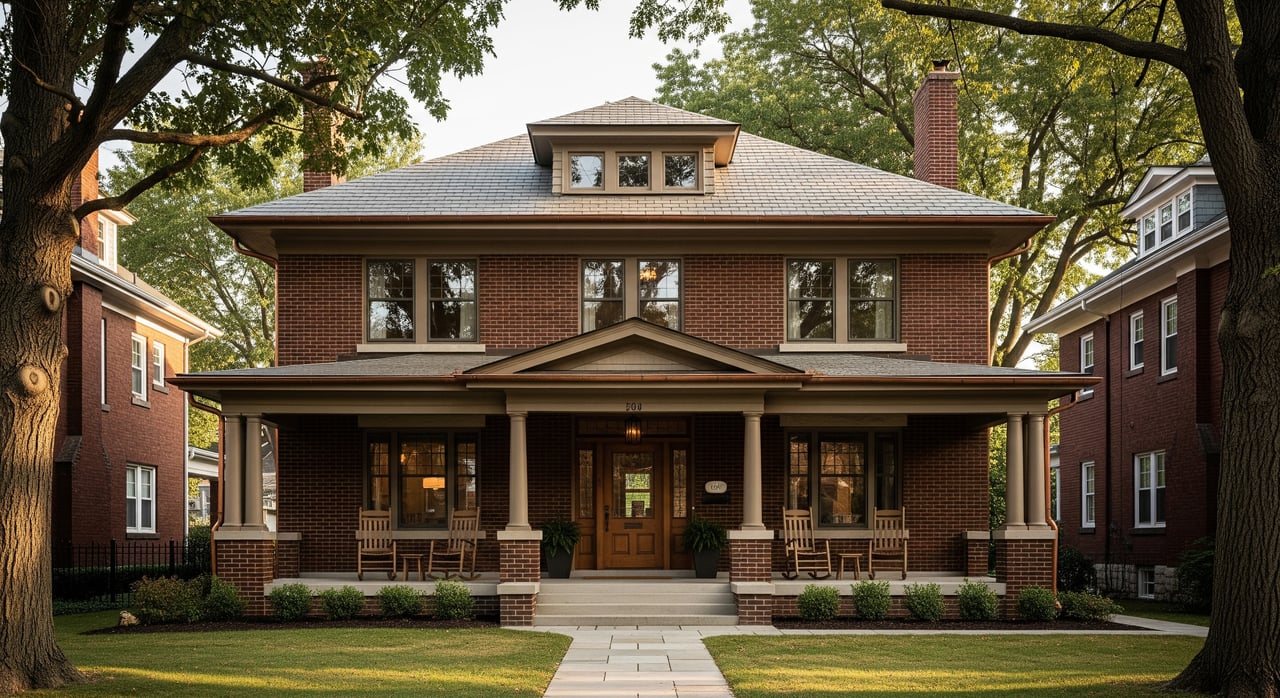
Webster Groves has a unique mix of historic homes, mid-century properties, and newer infill. Appraisers analyze micro-neighborhood trends and features that buyers in this area often value. Here are local elements that commonly affect appraised value:
To confirm public records like lot size, year built, or prior assessments, use the St. Louis County Assessor’s parcel search. For market-level context, St. Louis REALTORS offers local market reports and updates.
A standard single-family appraisal often costs about 300 to 700 dollars depending on the home’s size, complexity, and loan type. Specialty or complex properties can be higher. Turnaround time commonly ranges from 3 to 14 days in normal conditions.
Common issues include limited comparable sales, unpermitted work, and condition items that affect habitability or safety. When comps are scarce, appraisers may expand the search area or use older sales with time adjustments. If the report overlooks key facts or uses weaker comps, your lender can request a reconsideration of value with better data and documented corrections.
For conventional loan standards, visit Fannie Mae. For consumer guidance on the process, rights, and timelines, the CFPB’s overview on appraisals and home buying is helpful.
Start with facts. Review the report for errors in square footage, bedroom and bath counts, or missed upgrades. Then compile stronger comparable sales that match your home’s location, age, size, and updates. Your lender can submit a reconsideration of value request when the new data is compelling.
If the value gap remains, you have options. You can renegotiate the price, share the difference in cash, or cancel if your contract allows. Your financing program and contingencies will guide the next steps. Talk through each choice with your agent and lender so you protect your goals and timeline.
Ready to navigate your appraisal with confidence and a clear plan? Reach out to Lexi Engelbach for local guidance on pricing, preparation, and negotiation in Webster Groves.





Real estate should feel exciting—not overwhelming. With over a decade of experience in St. Louis, I help clients buy and sell with clarity, confidence, and zero pressure. From first-timers to seasoned movers, I bring calm guidance, sharp insight, and a little humor to every step.